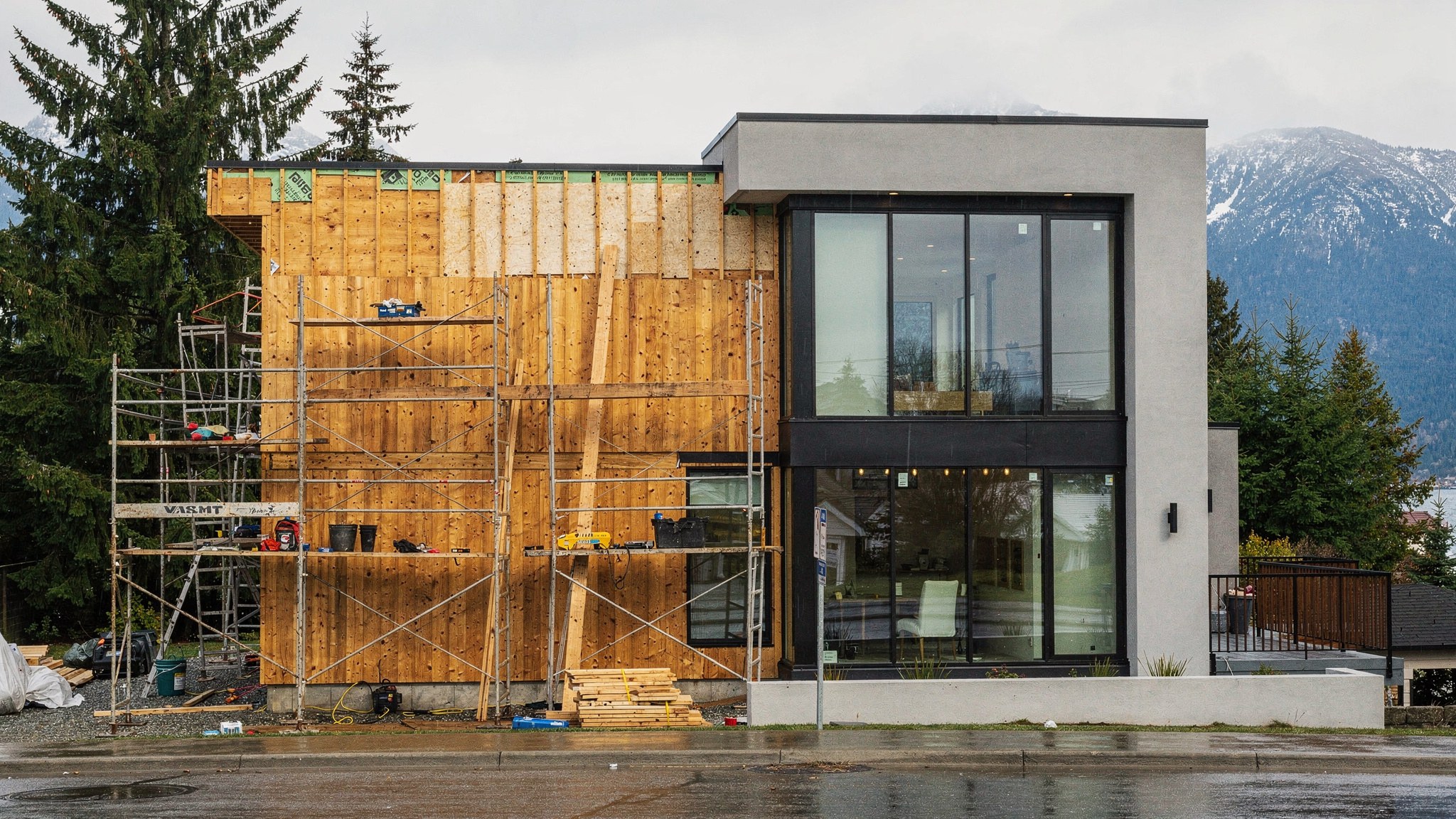
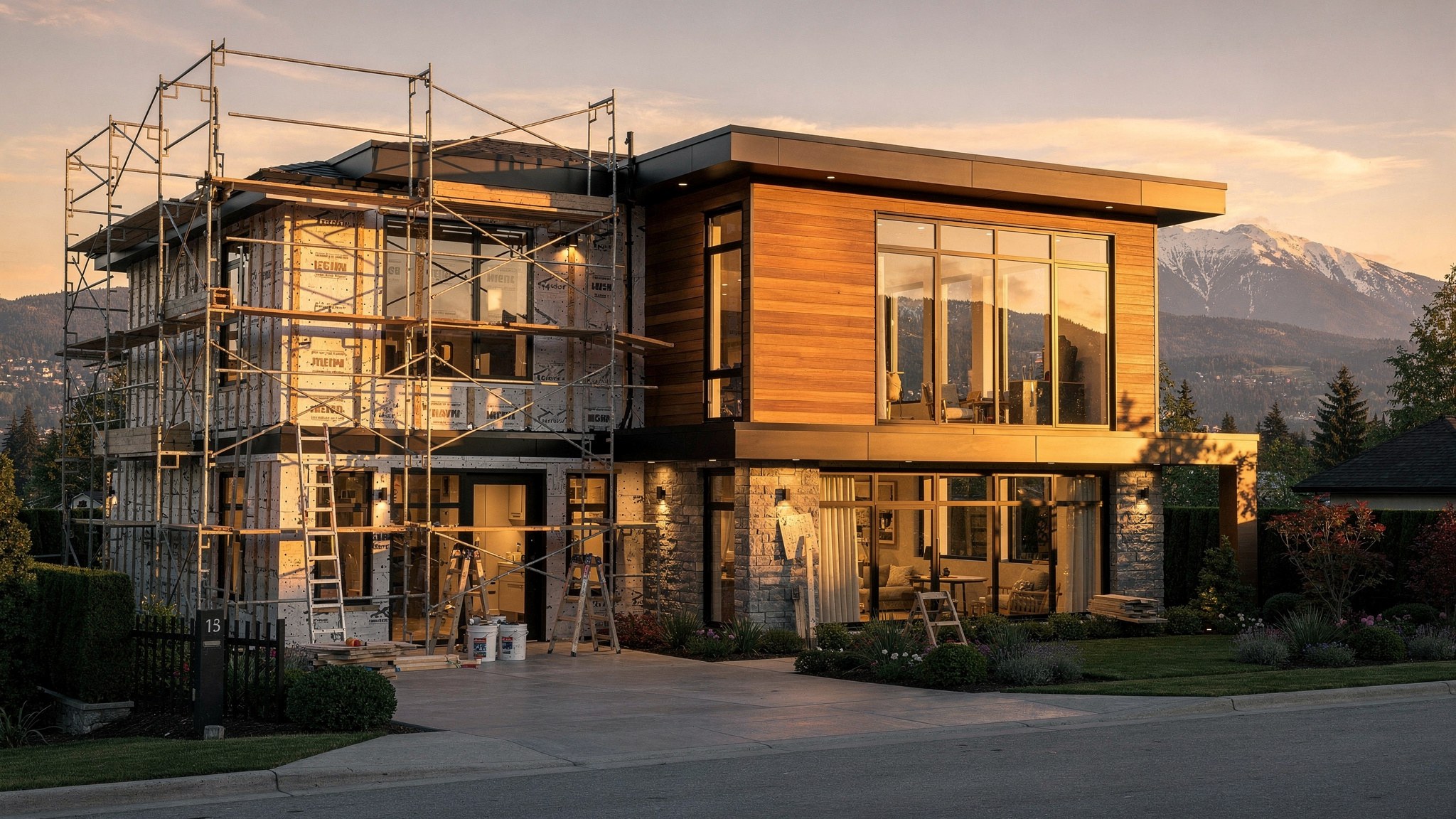
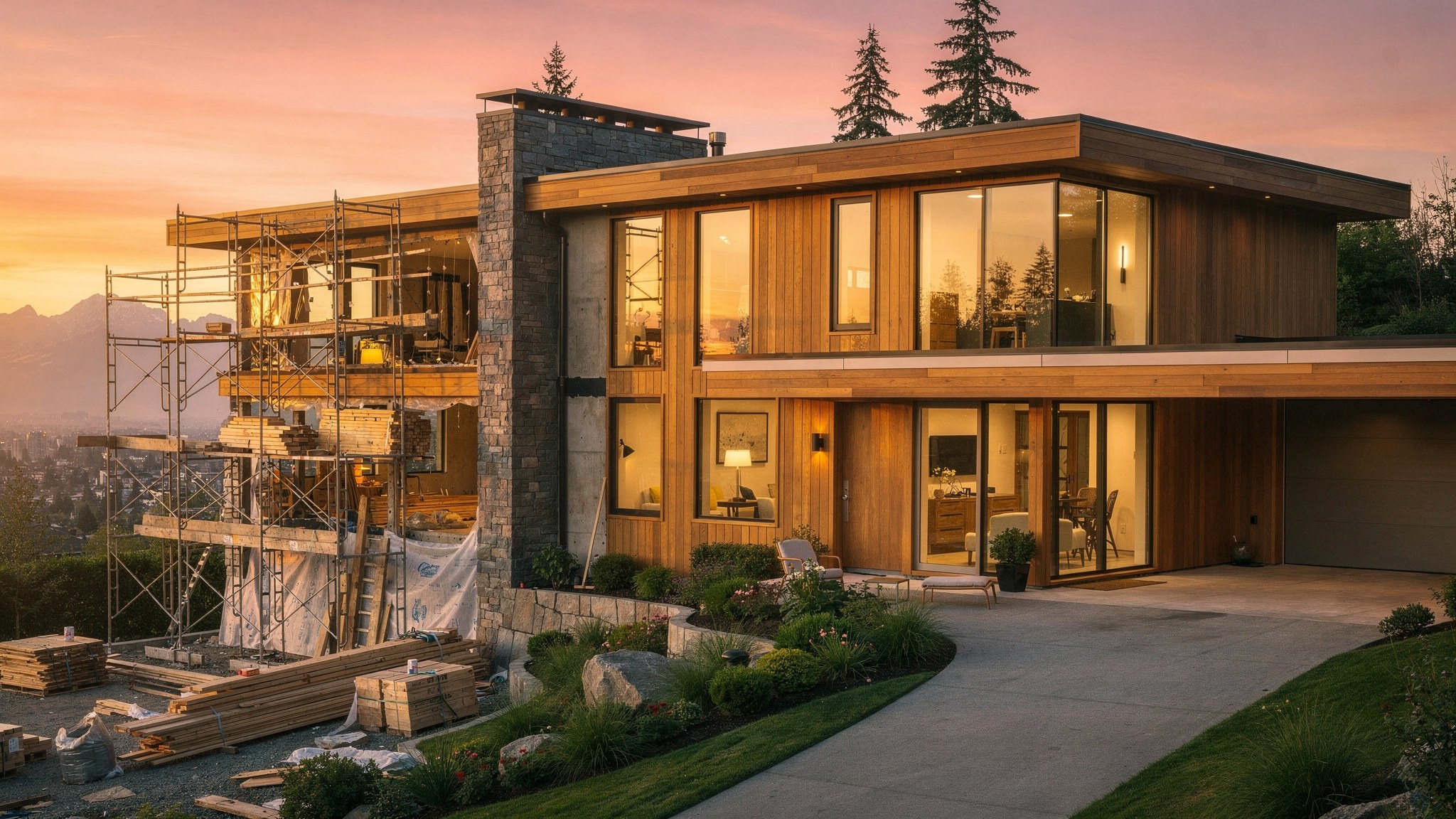
If you've priced out a renovation or custom build lately, you've probably felt the sticker shock. You're not imagining it. Across Metro Vancouver, from Dundarave to Fort Langley, the cost of building well has shifted meaningfully in the past year — and the reasons go well beyond simple inflation.
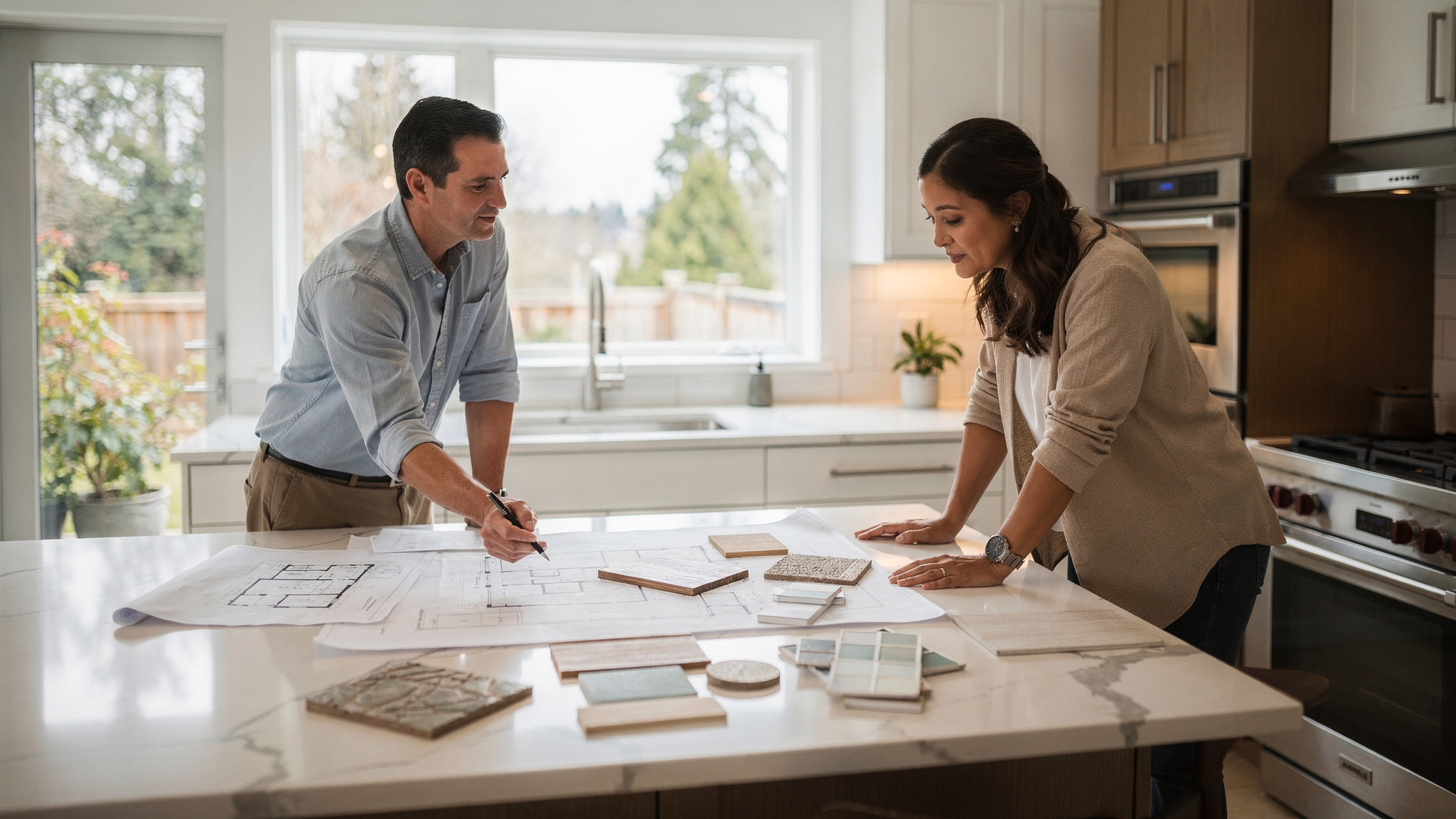
New material tariffs, persistent labour shortages, and tighter municipal requirements are converging at exactly the moment more homeowners are choosing to renovate rather than sell. The good news: with the right planning, those pressures are manageable. The homeowners who come out ahead in 2026 aren't the ones who spend less — they're the ones who spend smarter.
Why Costs Are Climbing Right Now
Several forces are stacking on top of each other this year. Tariffs on imported steel, aluminum, and certain finished lumber products have pushed up framing and structural costs on both sides of the border. Industry groups like RESCON have flagged that these tariffs will continue to escalate new-home building costs through 2026, and that pressure is trickling directly into renovation budgets too, since so many structural and mechanical components are shared across both project types.
On top of tariffs, skilled trades remain in short supply across the Lower Mainland. Electricians, framers, and finishing carpenters with experience on high-end coastal homes are booked months out, which keeps labour rates firm even as material costs fluctuate. Add in municipal permitting timelines that have lengthened in cities like Burnaby and Surrey as building departments process record volumes of laneway and infill applications, and you get a perfect storm of cost and schedule pressure.
What Realistic Budgets Look Like in 2026
Numbers help cut through the anxiety. Here's roughly what we're seeing across our current projects in Metro Vancouver:
- Kitchen renovations: $90,000–$220,000 depending on layout changes, structural work, and finish level — custom millwork and imported stone can push this higher.
- Whole-home renovations: $350–$550 per square foot for a comprehensive update including mechanical, electrical, and envelope upgrades.
- Custom homes: $450–$750+ per square foot depending on site conditions, foundation complexity, and finish tier — West Vancouver and North Vancouver hillside lots often sit at the higher end due to geotechnical and retaining work.
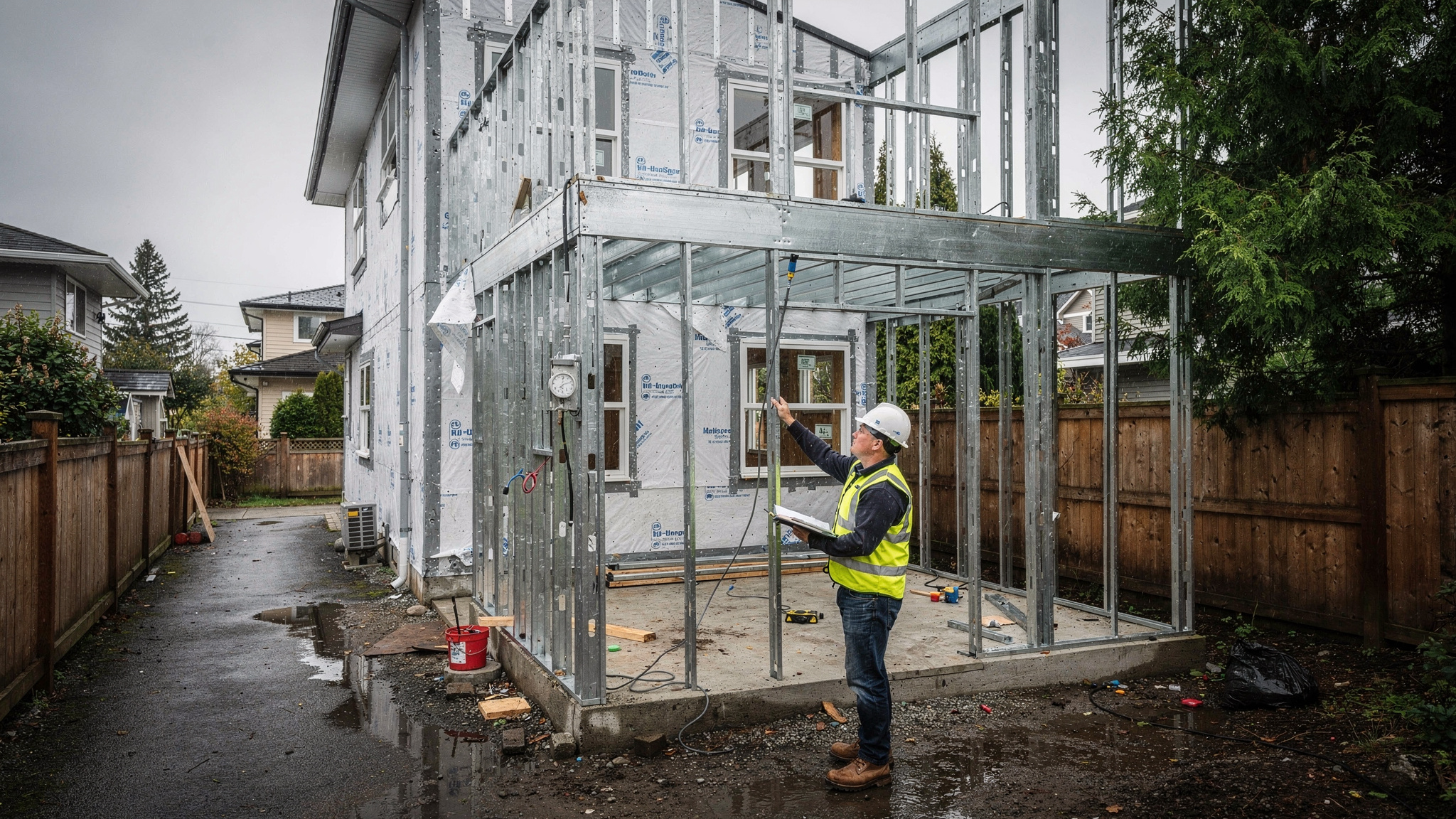
- Laneway and legal suites: $280,000–$420,000 fully serviced, varying by municipality, utility connections, and whether the lot requires new sewer or electrical capacity.
These numbers aren't meant to alarm you — they're meant to replace guesswork with clarity. A detailed pre-construction estimate, not a rough square-footage rule of thumb, is the only way to know what your specific lot and vision will actually cost. We walk every client through this in detail during a consultation, well before drawings are finalized.
Keeping Your Project on Track (Not Just on Budget)
Cost overruns rarely come from one big mistake. They come from dozens of small decisions made too late in the process — a plumbing fixture chosen after rough-in, a window size changed after the opening is framed, a permit amendment triggered by a last-minute layout tweak. The Washington Post recently highlighted how renovations can feel endless for homeowners, and in our experience, the projects that stay on schedule share a few common habits:
- Finishes and fixtures are selected and approved before framing begins, not during it.
- One point of contact manages communication between trades, so decisions don't get lost between emails.
- A contingency of 10-15% is built into the budget from day one, not added in panic mid-project.
- Permit drawings are complete and stamped before demolition starts, avoiding costly stop-work delays.
This is where working with a builder who manages the entire process — design, permitting, and construction — makes the biggest financial difference. Every change order avoided is money and weeks saved.
Smart Material Choices That Fight Cost Creep
Tariff pressure on steel and aluminum doesn't mean you have to abandon durable, high-performance materials. It means choosing them strategically. We're increasingly specifying:
- Engineered wood structural systems where code allows, reducing reliance on tariff-exposed steel without compromising seismic performance.
- Locally sourced BC cedar and fibre-cement siding, which hold up beautifully in our wet coastal climate and avoid import surcharges.
- Mineral wool and high-density spray foam insulation that improve energy performance enough to offset utility costs over the life of the home — increasingly important as BC Energy Step Code requirements tighten.
- Stone-effect porcelain surfaces instead of imported natural stone slabs, delivering a premium look at a more predictable, tariff-insulated price point.
These aren't compromises. They're the same substitutions many award-winning architects are making globally right now as the industry rethinks sustainable, resilient building — and they happen to be excellent fits for our climate and seismic zone.
Coastal and Seismic Realities You Can't Skip
Metro Vancouver's building challenges are unique, and they factor directly into any honest budget conversation. Our wet, mild winters demand rigorous moisture management — rainscreen wall assemblies, proper flashing details, and drainage planes aren't optional upgrades, they're baseline requirements for any home expected to last 50+ years here. Cutting corners on the building envelope to save money up front is the single most expensive mistake we see homeowners regret.
Seismic considerations matter just as much. Hillside lots in West Vancouver, North Vancouver, and parts of Coquitlam often require engineered foundations and additional lateral bracing, which affects both cost and timeline. And if you're adding a laneway home or legal secondary suite — increasingly popular across Burnaby, New Westminster, Surrey, and Langley as municipalities relax zoning to ease housing pressure — each city has its own servicing, parking, and setback rules that need to be confirmed before you fall in love with a floor plan.
Building Smarter, Not Just Spending More
The headlines about rising costs are real, but they don't have to derail your plans. What they demand is better planning: realistic budgets set early, material choices made with tariff exposure in mind, and a construction partner who can navigate permitting across Richmond, Delta, Port Coquitlam, White Rock, and every municipality in between without surprises.
At LJH Construction, we build that clarity into every project from the first conversation. Whether you're planning a kitchen refresh, a full custom home, or a legal laneway suite, we'll give you a detailed, honest budget — and a plan to protect it through to completion. Explore our pricing guide for a starting point, then book a consultation with our team to talk through your specific property and goals.
Planning a project in Metro Vancouver?
Get a free, no-obligation quote from LJH Construction.