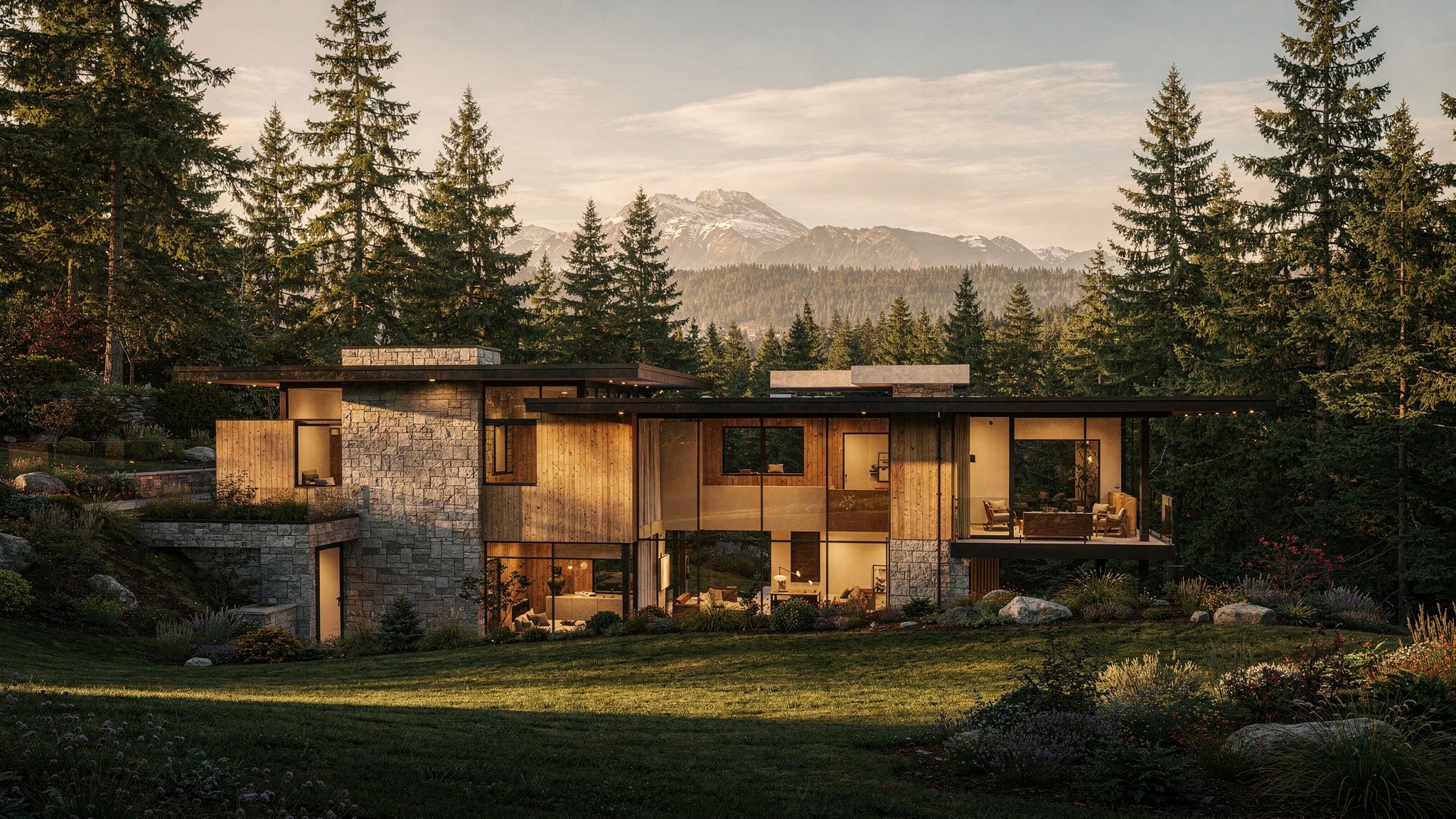
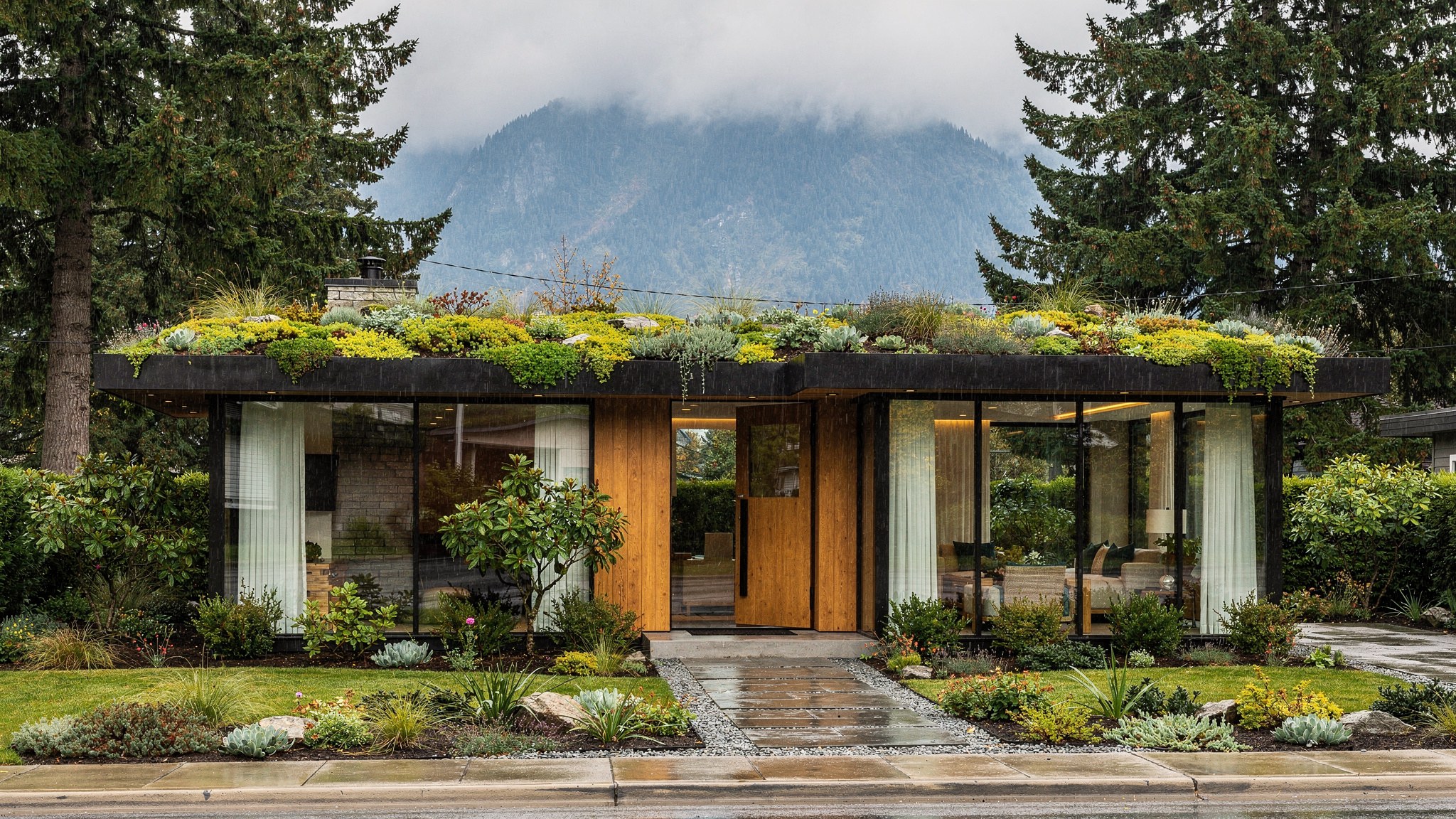
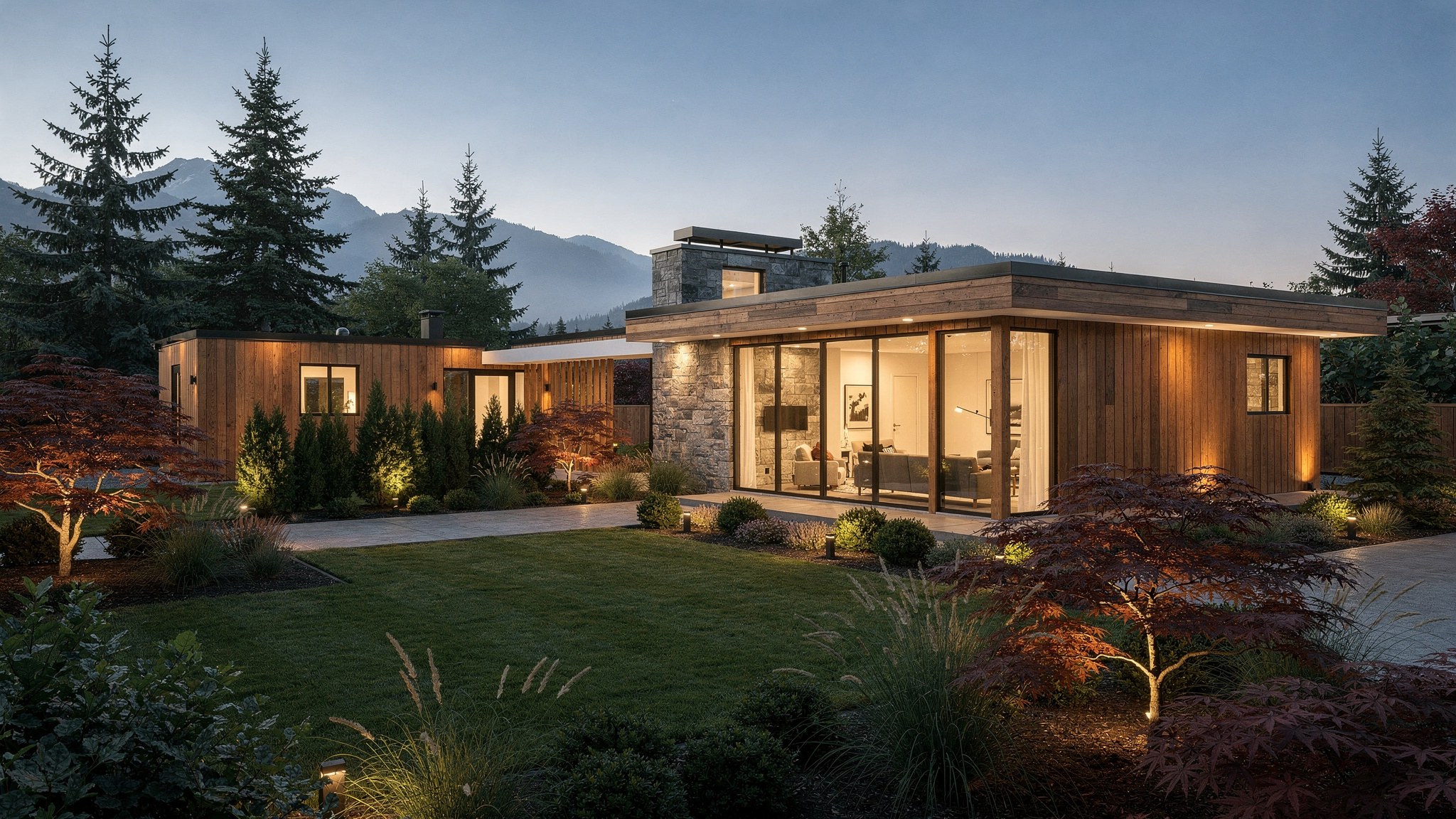
If your contractor recently quoted a longer timeline than you expected — or a subtrade cancelled on you twice before showing up — you're not imagining it. Across British Columbia, a genuine shortage of skilled construction workers is reshaping how homes get built, how long projects take, and what they cost. Industry reports this month put the shortfall in the tens of thousands of workers province-wide, and Metro Vancouver, with its dense pipeline of custom homes, renovations, and laneway suites, is feeling it acutely.
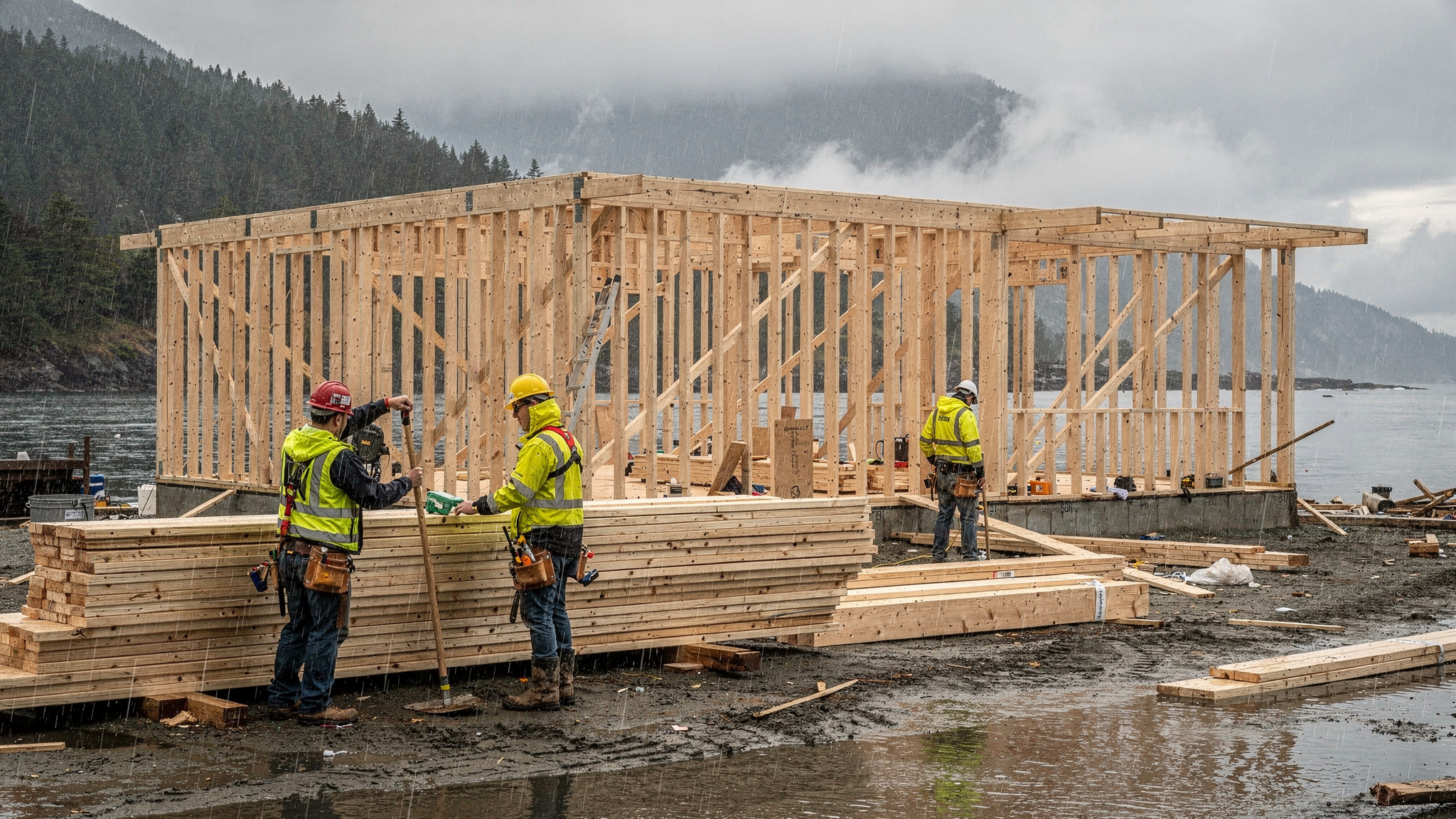
This isn't a reason to delay your dream home. It's a reason to build differently — with a team that plans ahead, locks in trades early, and knows how to protect your budget and timeline in a tighter market.
Why the Labour Squeeze Is Hitting Now
Several forces are converging at once. A wave of experienced framers, electricians, and finishing carpenters is retiring, and not enough apprentices are coming up behind them. Meanwhile, demand for housing — from Surrey and Langley subdivisions to laneway suites in Vancouver and North Vancouver — keeps climbing. Add rising interest in data centres, transit projects, and institutional builds pulling skilled trades away from residential work, and the math gets tight fast.
The practical result for homeowners: less flexibility in scheduling, more competition for good subtrades, and a real premium on builders who have long-standing crews rather than a rotating cast of subcontractors bid out to the lowest number.
What It Means for Your Timeline and Budget
A custom home in West Vancouver or a laneway suite in East Vancouver that might have taken 10-12 months two years ago can now stretch longer if the framing crew, roofer, or finishing electrician isn't booked well in advance. Realistic current ranges for Metro Vancouver:
- Custom home (2,500-4,000 sq ft): 12-18 months from permit issuance to occupancy, depending on municipality and site complexity.
- Major renovation or addition: 5-10 months, with lead times on cabinetry, windows, and specialty trades often the real bottleneck.
- Laneway or garden suite: 4-7 months once permits are in hand, faster with prefabricated components.
- Budget premium: Expect 5-10% upward pressure on labour-heavy line items — framing, roofing, and finishing carpentry — compared to two years ago.
The homeowners who fare best are the ones who lock in their builder and key trades at the design stage, not after permits are approved. A good general contractor is now, more than ever, also a labour-supply strategist.
Protecting Your Investment: BC Lien Law and Holdbacks
A tighter trades market also means more subcontractor turnover mid-project — which raises the stakes on understanding BC's Builders Lien Act. Every homeowner undertaking a custom build or major renovation should know the basics:
- A 10% holdback of the contract price must be retained for 55 days after substantial completion or the filing of a certificate of completion — this protects you if a subtrade files a lien for unpaid work.
- Liens can be filed even against homeowners who paid their general contractor in full, if that contractor didn't pay a subtrade. Proper holdback management is your shield.
- Insist on a detailed schedule of values and progress-draw structure tied to verified milestones, not just calendar dates.
- With more subcontractor churn, ask your builder how they vet and retain trades long-term — crew stability is now a genuine risk-management question, not just a quality one.
A reputable builder will walk you through holdback timing, lien releases, and payment structure before you sign anything. If a contractor glosses over this, treat it as a red flag.
Prefab and Modular: A Smart Hedge Against the Shortage
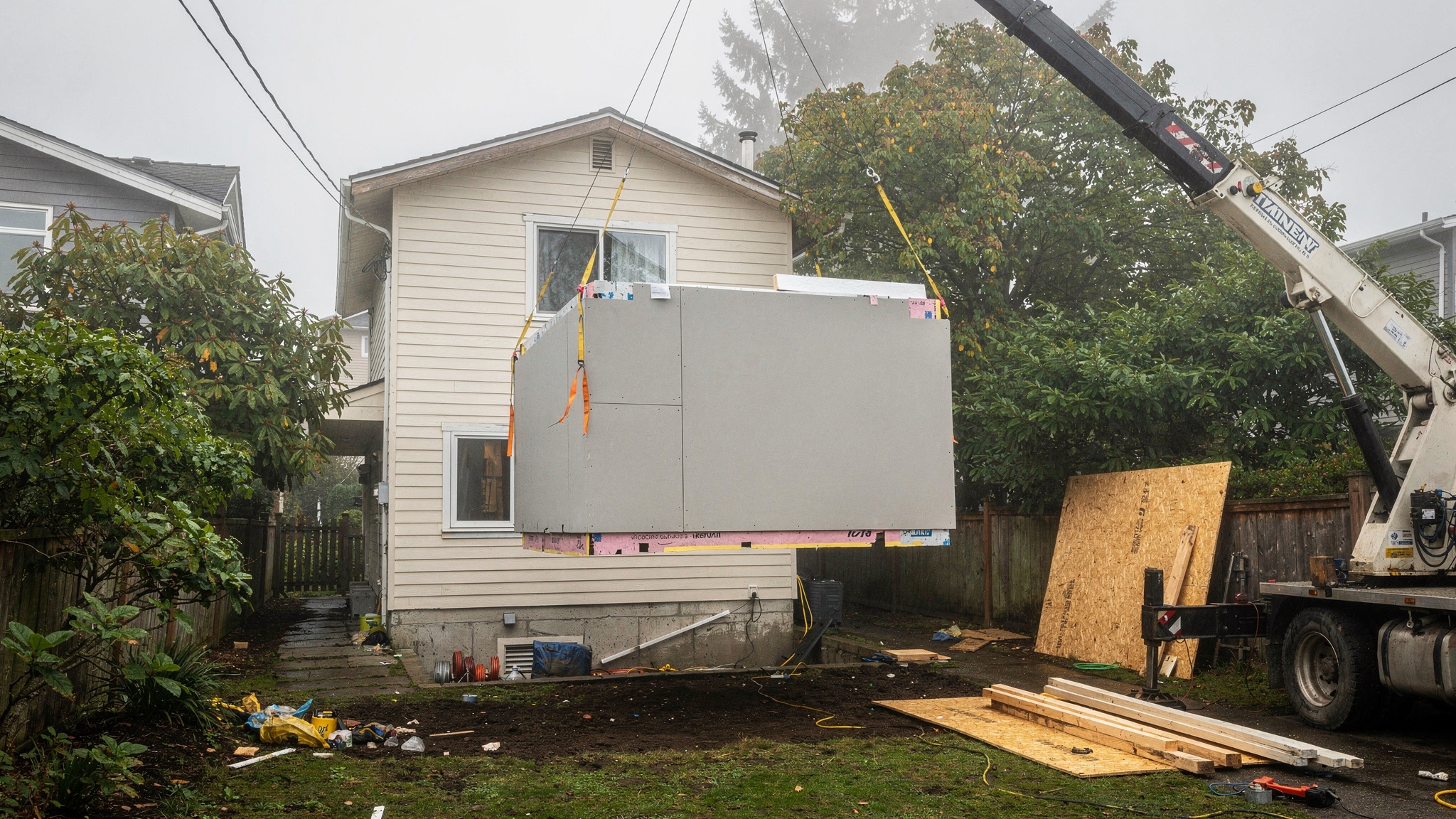
One of the clearest responses to the labour crunch is a shift toward prefabricated and panelized construction — and it's particularly well-suited to laneway suites and additions here on the coast. Factory-built wall panels, roof trusses, and even full modular units reduce the number of on-site trade-hours required, which means less exposure to scheduling gaps.
For BC's wet climate, factory-controlled assembly has an added benefit: panels are built and sealed indoors, reducing the risk of framing lumber absorbing moisture during a rainy Lower Mainland winter — a real concern for open-air stick framing between October and March. Modular components also arrive pre-engineered for our seismic zone, with connection details already reviewed for lateral load requirements common across Vancouver, Burnaby, and Richmond permitting departments.
Prefab isn't right for every custom home — highly bespoke architectural details still benefit from traditional site-built craftsmanship — but for laneway suites, secondary structures, and standardized elements like roof trusses, it's an increasingly smart way to de-risk your timeline.
Building Smart in a Tight Labour Market
Whether you're planning a custom home in Coquitlam, a full renovation in New Westminster, or a legal laneway suite in Vancouver, a few strategic moves make a real difference right now:
- Engage your builder early — before final permit drawings — so key trades can be scheduled months in advance.
- Ask about crew stability: how long has the framing team, electrician, and finishing crew worked with this builder?
- Build in schedule contingency — 10-15% timeline buffer is realistic in the current market, not a sign of a weak plan.
- Order long-lead items early: windows, custom cabinetry, and specialty roofing materials should be confirmed at design-development, not framing stage.
- Understand your holdback and lien exposure before signing a construction contract.
- Consider prefabricated elements for laneway suites, garages, or secondary structures to reduce on-site labour dependency.
Building With Confidence, No Matter the Market
Labour shortages are a real industry challenge, but they're also a filter — separating builders who plan meticulously and retain skilled crews from those who simply chase the next job. At LJH Construction, we've built long-term relationships with our trades across Metro Vancouver precisely so our clients don't absorb the volatility of a tightening market. From custom homes in West Vancouver to laneway suites in Burnaby and renovations in White Rock, our job is to give you a realistic timeline, a protected budget, and a finished home that reflects the craftsmanship this region is known for.
If you're planning a custom build, renovation, or laneway suite anywhere in Metro Vancouver, let's talk about how to schedule it right the first time. Book a consultation with LJH Construction today, and build with a team that plans ahead of the market — not behind it.
Planning a project in Metro Vancouver?
Get a free, no-obligation quote from LJH Construction.