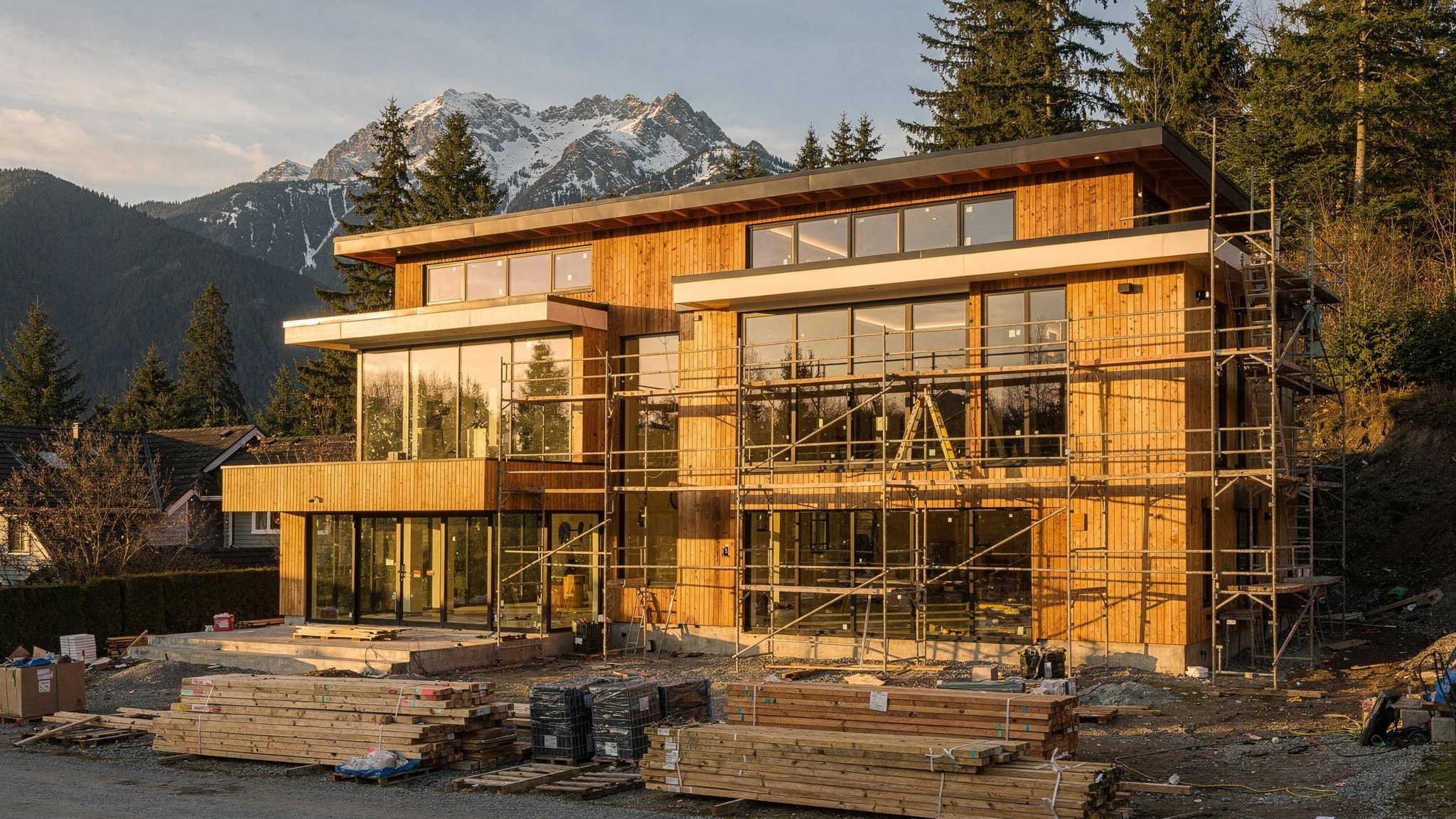
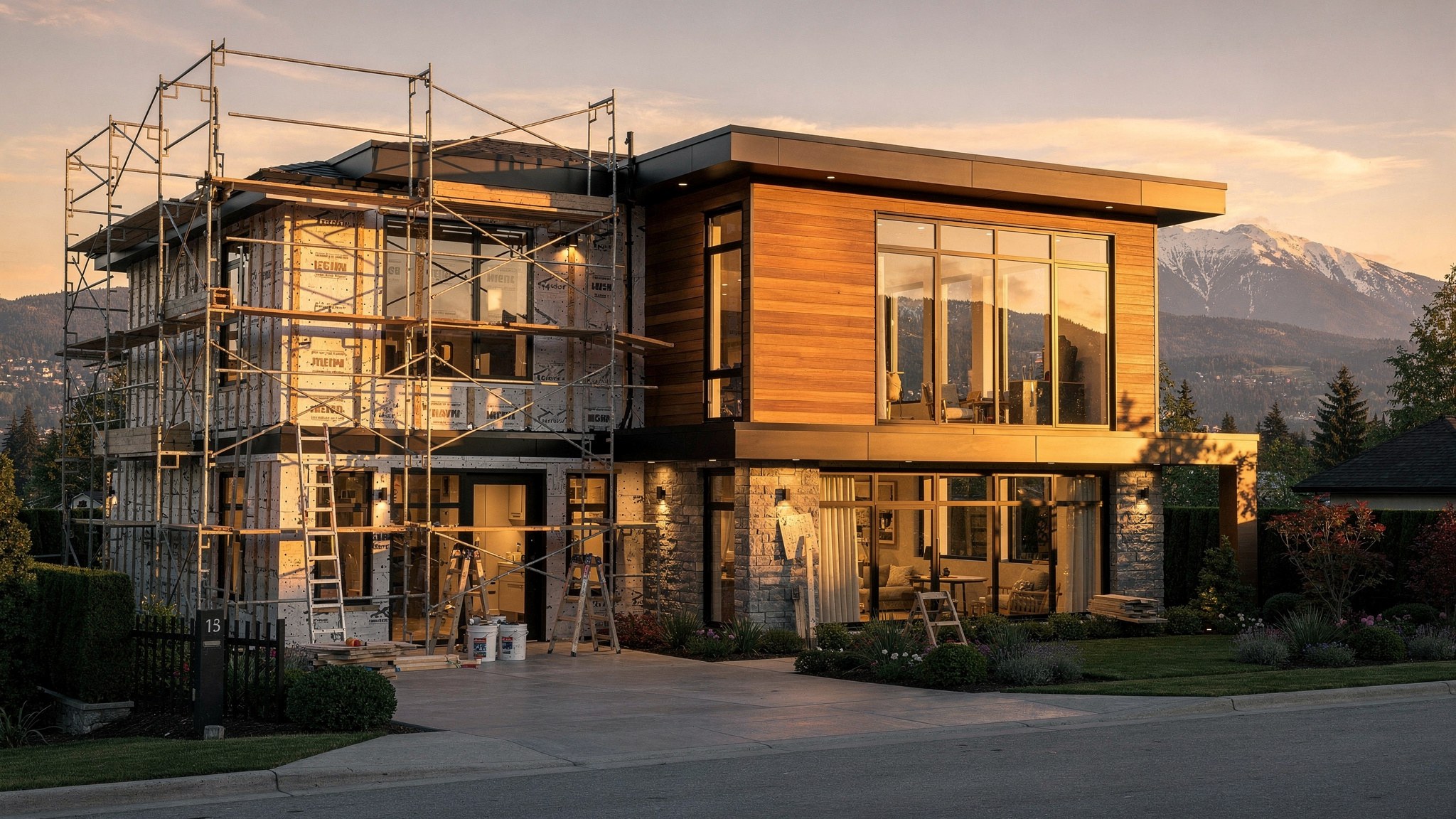
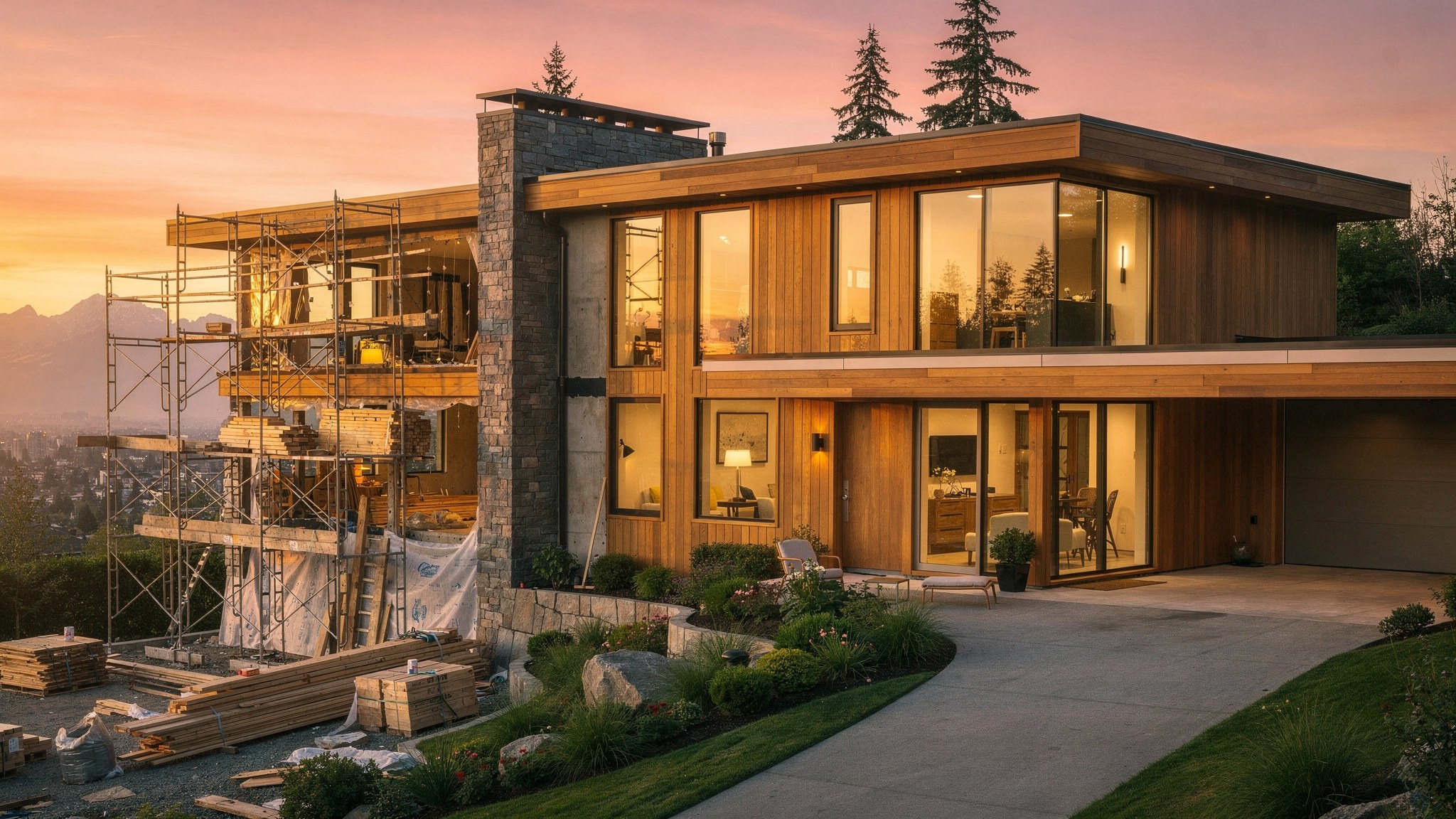
If you've started pricing out a renovation lately, you've probably noticed the numbers don't match what your neighbour paid two years ago — or even what a contractor quoted you last spring. You're not imagining it. Renovation costs across Canada are climbing at a pace that's catching even seasoned homeowners off guard, and Metro Vancouver is feeling it acutely.
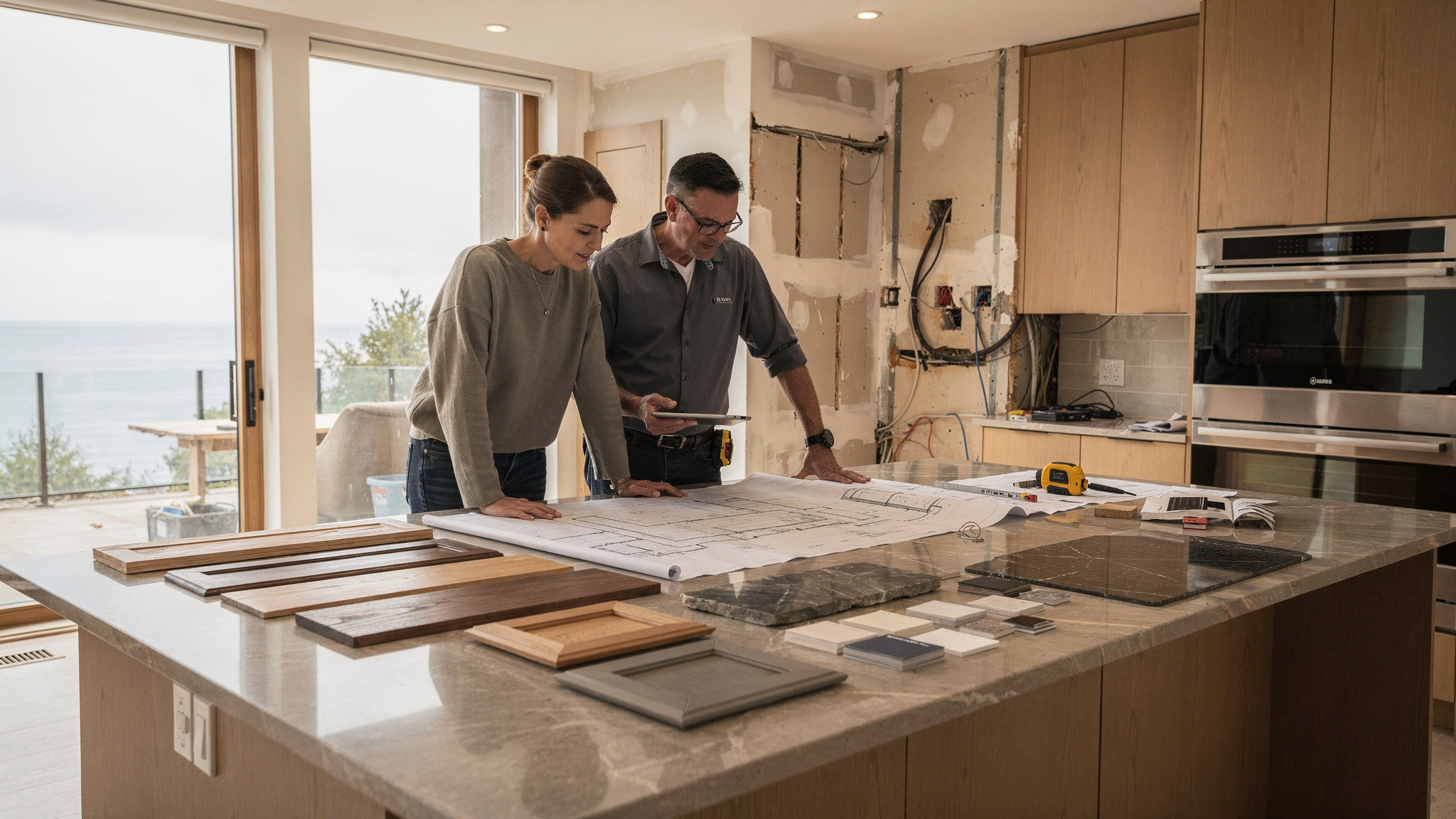
Between new tariffs on imported building materials, ongoing labour shortages, and a construction market still absorbing years of supply chain disruption, the cost of building well has fundamentally shifted. The good news? Homeowners who understand what's driving these increases — and who plan accordingly — can still build or renovate beautifully, on budget, and without the stress that sinks so many projects.
Why Renovation Costs Are Climbing Faster Than Expected
For years, we told clients that a kitchen renovation or a laneway suite would run within a fairly predictable range. That range has moved. Several forces are converging at once:
- Tariffs on steel, aluminum, and imported finishes are pushing up costs on everything from structural components to windows and cabinetry hardware.
- Skilled trade shortages in the Lower Mainland mean labour rates for framers, electricians, and finishing carpenters have risen steadily, especially for projects requiring Red Seal-certified work.
- Lumber and engineered wood volatility continues, with pricing swings that can shift a framing budget by thousands of dollars within a single build cycle.
- Municipal permit and development cost charges have increased in several Metro Vancouver municipalities as cities fund infrastructure to support density.
None of this means building is a bad decision right now — it means the old rule of thumb budgets are outdated, and working with a builder who prices transparently, in real time, matters more than ever.
The Tariff Effect: What It Actually Means for Your Project
Industry groups have been warning that tariffs on cross-border materials will meaningfully increase the cost of new home construction and major renovations in both Canada and the U.S. For homeowners in Vancouver, West Vancouver, and Burnaby, this shows up most visibly in:
- Structural steel used in post-and-beam designs, shear walls, and seismic upgrades
- Aluminum-clad windows and doors, popular for West Coast modern homes
- Imported stone, tile, and specialty fixtures sourced from Europe or the U.S.
Our approach has been to lean harder into BC-manufactured and Canadian-sourced materials wherever quality allows — locally milled cedar, BC-fabricated steel, and regional stone suppliers. Not only does this reduce tariff exposure, it typically shortens lead times, which matters just as much to your schedule as it does to your budget.
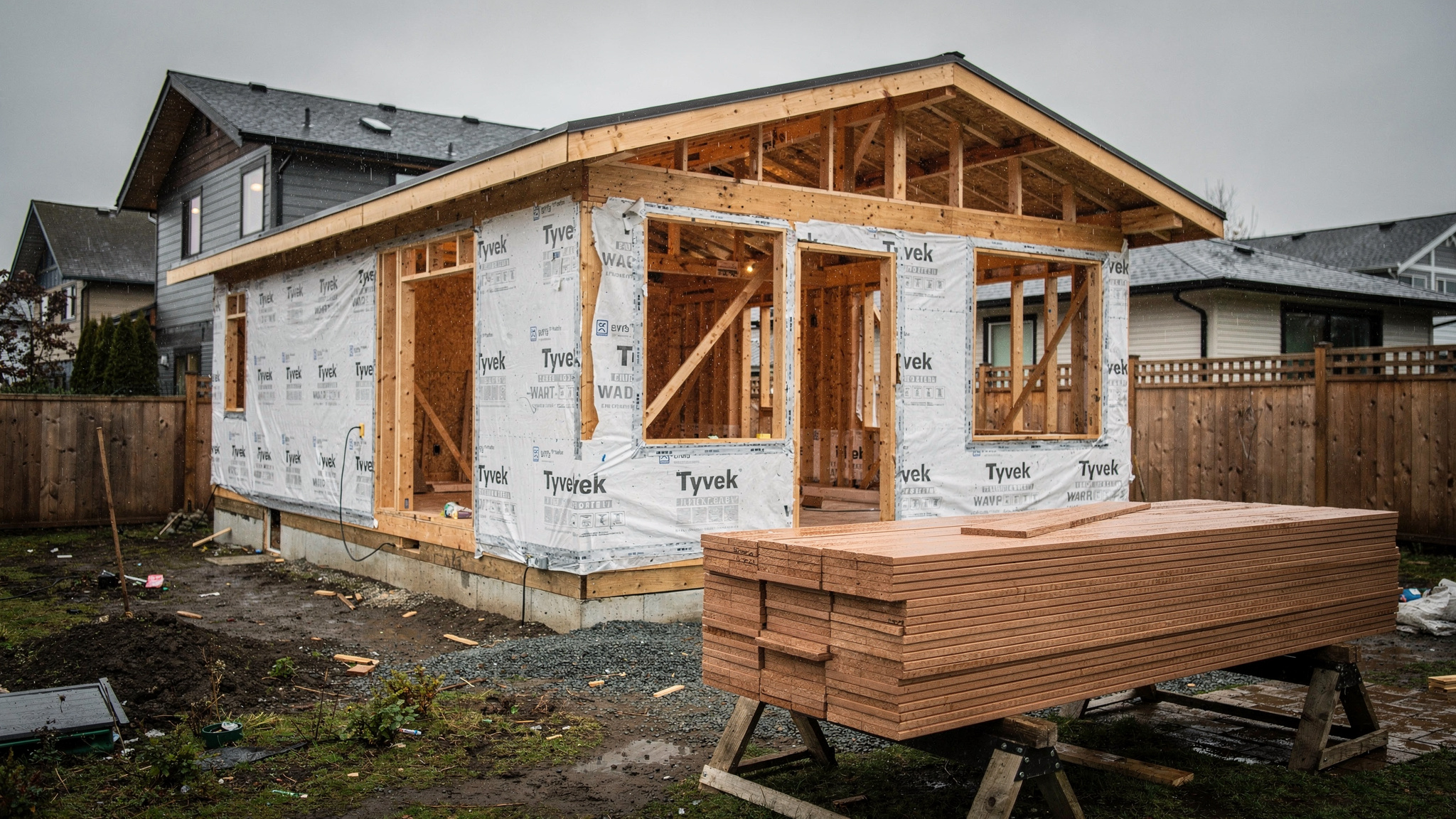
Coastal Realities: What Makes Vancouver Builds Uniquely Expensive — and Why It's Worth It
Metro Vancouver homeowners face cost pressures that don't exist in most other Canadian markets, rooted in our climate and seismic zone. These aren't corners worth cutting:
- Rain management systems — proper rainscreen wall assemblies, sealed building envelopes, and drainage detailing are non-negotiable given our coastal rainfall. Skipping these invites rot and mould claims within a decade.
- Seismic engineering — BC Building Code requirements for lateral bracing, foundation anchoring, and shear wall design add real cost but are essential for structural safety in our earthquake zone.
- Soil and site conditions — many lots in North Vancouver, West Vancouver, and parts of Coquitlam require geotechnical assessment and specialized foundation work due to slope, clay, or rock.
- Permit complexity — each municipality (Vancouver, Richmond, Surrey, Delta, Langley, New Westminster) has its own permitting timeline, tree bylaw requirements, and setback rules, which affects both cost and schedule.
A builder who understands these local variables at the estimating stage — not after the walls are open — is the single biggest factor in whether your budget holds.
How to Keep Your Project on Budget and on Schedule
Renovations can feel endless when scope, pricing, and timeline aren't locked down early. After decades building across the region, here's what consistently protects our clients:
- Get a detailed, line-item estimate — not a ballpark figure. Material allowances should be specific, not vague placeholders.
- Price materials early and lock in suppliers where possible, especially for steel, windows, and anything with tariff exposure.
- Build in a contingency of 10–15% for any renovation involving an older home, where hidden conditions behind walls are common.
- Sequence decisions before demolition begins — finishes, fixtures, and layout changes decided mid-project are the number one cause of cost overruns and delays.
- Ask about your builder's trade relationships — established contractors with long-standing subtrade relationships often secure better pricing and more reliable scheduling than one-off hires.
The projects that stay on track aren't lucky — they're planned with discipline before the first permit is even submitted.
Smart Alternatives: Laneway Suites and Phased Renovations
Given current cost pressures, many Metro Vancouver homeowners are rethinking scope rather than abandoning plans altogether. Two strategies we're seeing work well right now:
Legal laneway and garden suites remain one of the most cost-efficient ways to add livable square footage and long-term property value, particularly in Vancouver, Burnaby, and New Westminster where zoning now permits them broadly. Because they're smaller, self-contained structures, material and labour cost increases have less overall budget impact than they would on a full custom home, while rental income or multigenerational living flexibility offsets the investment.
Phased renovations — tackling a kitchen this year and primary suite next — allow homeowners to lock in pricing on completed phases while spreading tariff and material risk over time, rather than committing an entire budget to a single volatile pricing moment.
Building Well, Even in a Shifting Market
Rising costs don't have to mean compromised quality or an abandoned vision. They mean the margin for error is smaller, and the value of working with an experienced, transparent local builder is larger. At LJH Construction, we build detailed, honest estimates grounded in current BC material and labour realities — not outdated averages — so our clients can make confident decisions instead of nervous ones.
Whether you're planning a full custom home in West Vancouver, a kitchen and primary suite renovation in Burnaby, or a legal laneway suite in Vancouver, the right first step is a clear, realistic conversation about scope, budget, and timeline. Contact LJH Construction to book a consultation, or visit our pricing page to see how we structure estimates for today's market. Let's build smart, build well, and build something that holds its value for decades to come.
Planning a project in Metro Vancouver?
Get a free, no-obligation quote from LJH Construction.