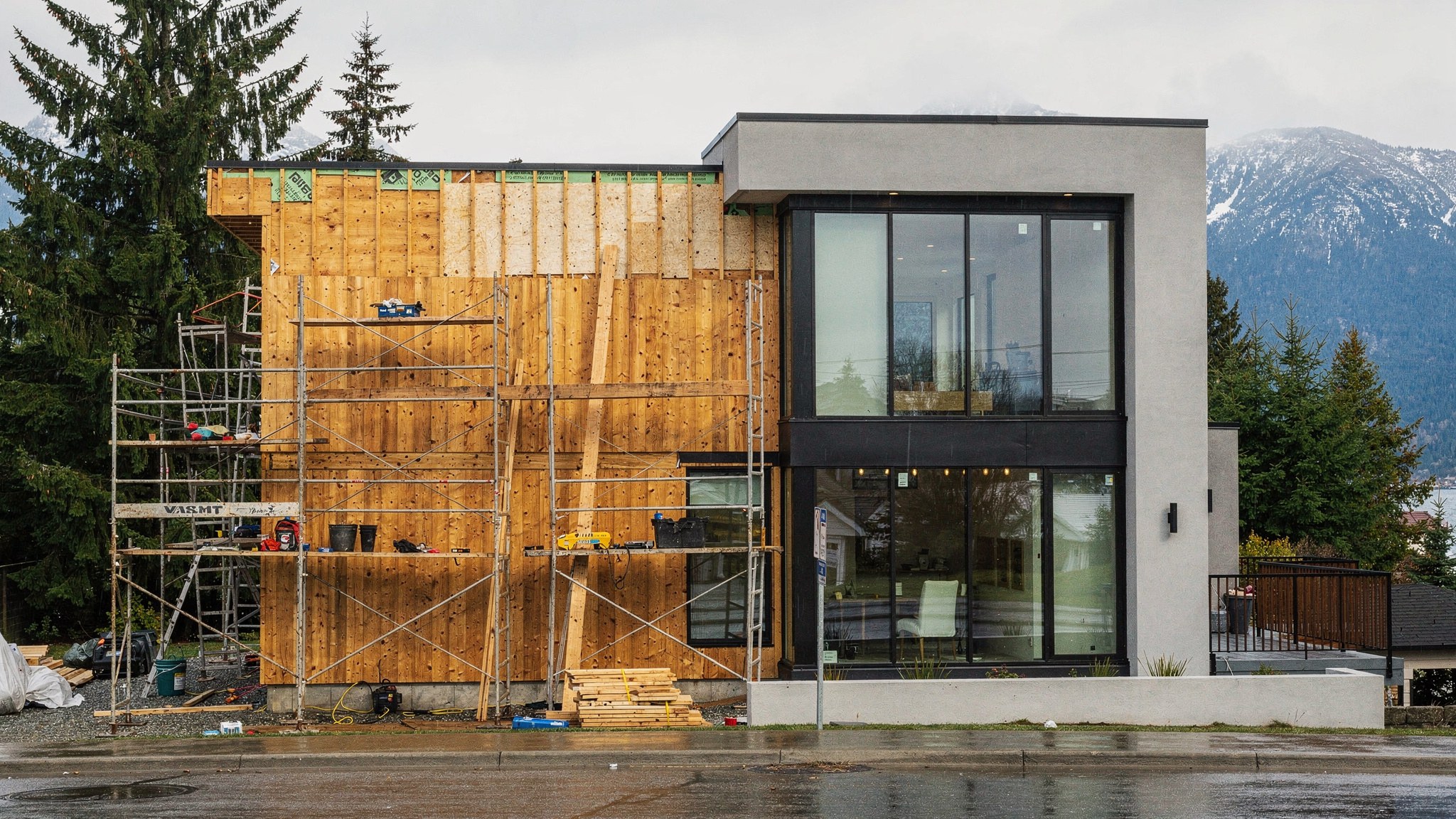
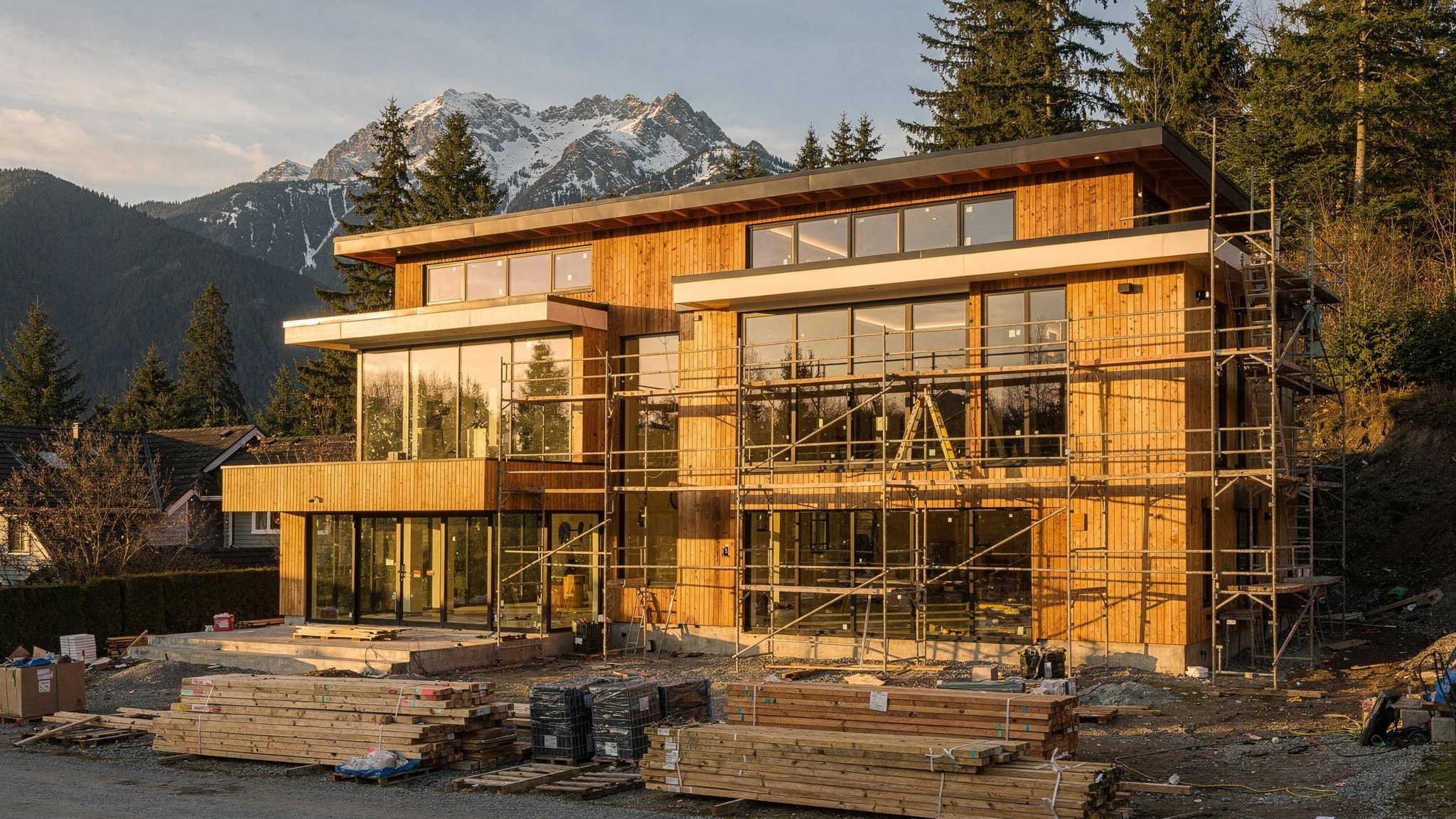
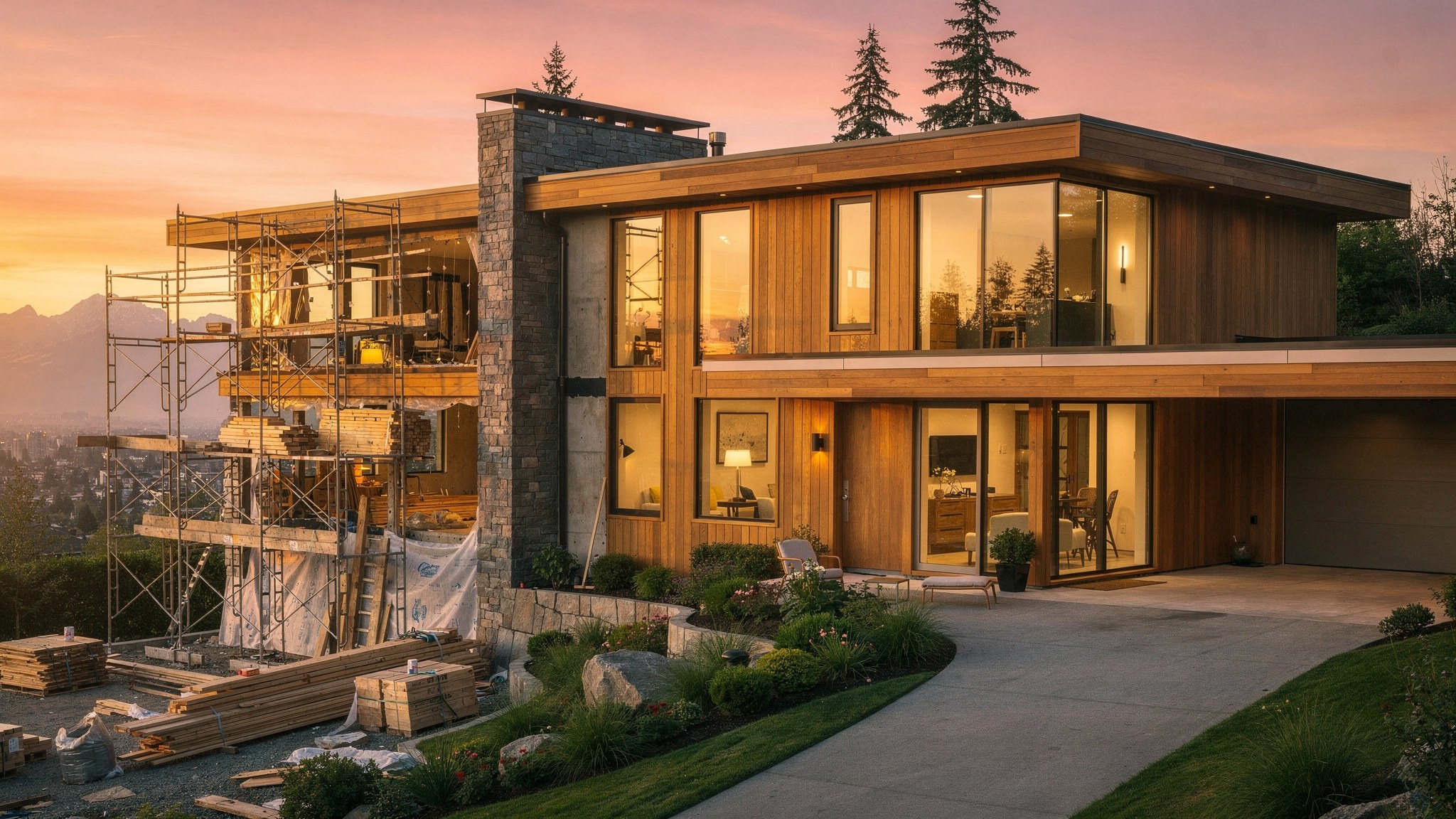
If it feels like every renovation quote you're getting these days is higher than the one you got last year, you're not imagining it. Reports out of the UK and the US are confirming what Metro Vancouver homeowners have felt in their bones for a while: renovation costs are climbing, and they're not climbing evenly. Some categories — materials, skilled trades, code-driven upgrades — are rising faster than general inflation, while others are actually softening as the broader construction sector slows.
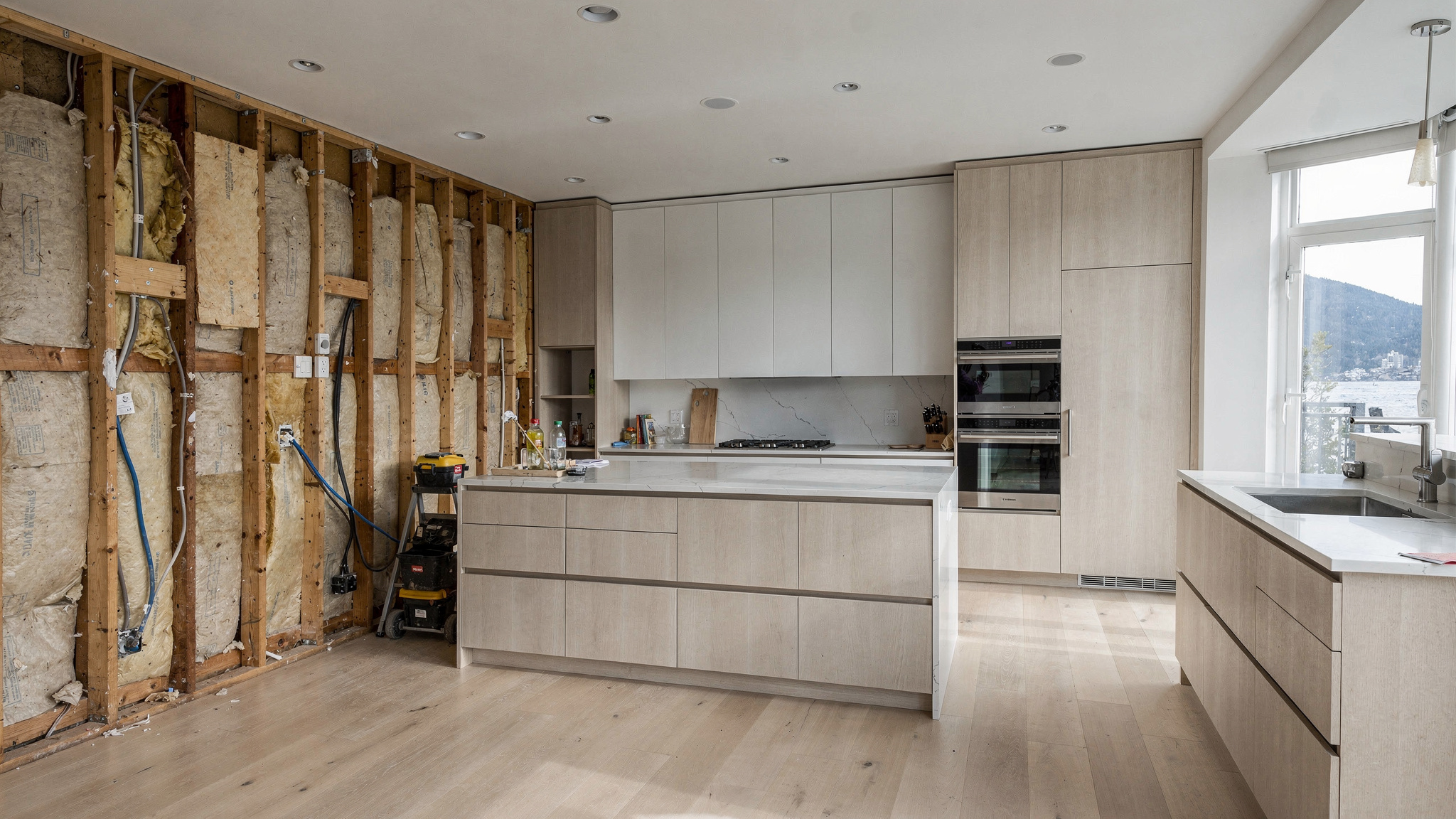
For homeowners in Vancouver, West Vancouver, North Vancouver, Burnaby, Richmond, and beyond, this creates a strange new landscape. On one hand, labour is more available than it's been in years, with construction layoffs across North America hitting their lowest activity levels since the early 2000s in some segments — meaning good crews have more time for your project. On the other hand, material costs, permitting complexity, and BC's seismic and climate-driven building code requirements keep pushing project budgets upward.
So what's actually driving the numbers on your renovation quote, and how do you protect your budget without compromising on quality? Here's what we're seeing on job sites across the Lower Mainland right now.
Why Renovation Costs Keep Climbing
It's tempting to blame "inflation" as a catch-all, but the real story is more specific. Three forces are compounding in BC right now:
- Material volatility: Engineered lumber, insulation, windows, and specialty cladding continue to see price swings tied to global supply chains and tariff uncertainty — particularly on anything imported from the US or manufactured with US steel and aluminum inputs.
- Code-driven cost creep: BC's Building Code updates around seismic resilience, energy step-code requirements, and wildfire-interface zoning (relevant for parts of Coquitlam, Langley, and Surrey) add real dollars to almost every major renovation, even when homeowners don't ask for them.
- Municipal permitting timelines: While cities like Pittsburgh are piloting virtual inspections and "fast lanes" for low-risk permits, most Metro Vancouver municipalities still move at a deliberate pace — and every extra week on a permit is a week of carrying costs, storage, and contractor scheduling friction.
The BC-Specific Line Items That Surprise Homeowners
Homeowners who've renovated elsewhere in Canada are often caught off guard by how much of a coastal BC budget goes toward things that never show up in a glossy design magazine. Consider:
- Rainscreen wall assemblies: Our climate demands a ventilated rainscreen system on nearly every exterior wall rebuild — non-negotiable after the leaky condo crisis reshaped BC's building code, and a meaningful cost above a standard wall assembly.
- Seismic upgrades: Older homes in Vancouver, New Westminster, and Burnaby often need foundation bolting, shear wall reinforcement, or updated hold-downs when you open up structural walls — even for a "simple" kitchen renovation.
- Drainage and grading: With our wet winters, any renovation that touches the foundation or lot grading typically requires perimeter drain tile upgrades and proper site drainage — easy to underestimate, expensive to retrofit later.
- Legal suite compliance: If your renovation includes a basement suite or laneway home, BC Building Code now requires separate egress, fire separation, and often a second furnace or heat source — all real line items, not afterthoughts.
Where Homeowners Can Actually Save
The good news: not every category is getting more expensive, and smart sequencing can meaningfully offset the categories that are. We're currently seeing more competitive pricing and faster scheduling from trades than we have in several years, simply because overall construction activity has slowed. That means:
- Skilled framers, electricians, and finishing carpenters have more availability, which shortens timelines and reduces the premium once charged for rush scheduling.
- Subcontractor bids are more competitive on labour-heavy scopes like tiling, millwork, and painting.
- Suppliers are more willing to negotiate on bulk material orders, especially for larger custom-home and multi-room renovation projects.
The homeowners getting the best value right now are the ones locking in fixed-price contracts and material allowances early, before another round of tariff-driven price increases hits imported finishes, appliances, and fixtures.
Realistic Budgets and Timelines in 2026
To put real numbers behind this: a full kitchen renovation in Metro Vancouver, done to a luxury standard with custom cabinetry, quartz or natural stone counters, and a layout change, is realistically landing between $95,000 and $180,000 depending on square footage and structural changes. A full-home renovation on a character home in Vancouver or New Westminster — including seismic and envelope upgrades — often runs $350 to $550 per square foot once you account for the hidden infrastructure work behind the walls.
Timelines have also shifted. Permitting in most Metro Vancouver municipalities still takes 8 to 16 weeks for a significant renovation, longer for anything requiring rezoning or variance. Once permitted, a well-run mid-size renovation typically takes four to seven months from demolition to final walkthrough — assuming decisions on finishes are made early and materials are ordered before the framing stage, not after.
Laneway and Legal Suites: A Smart Hedge Against Rising Costs
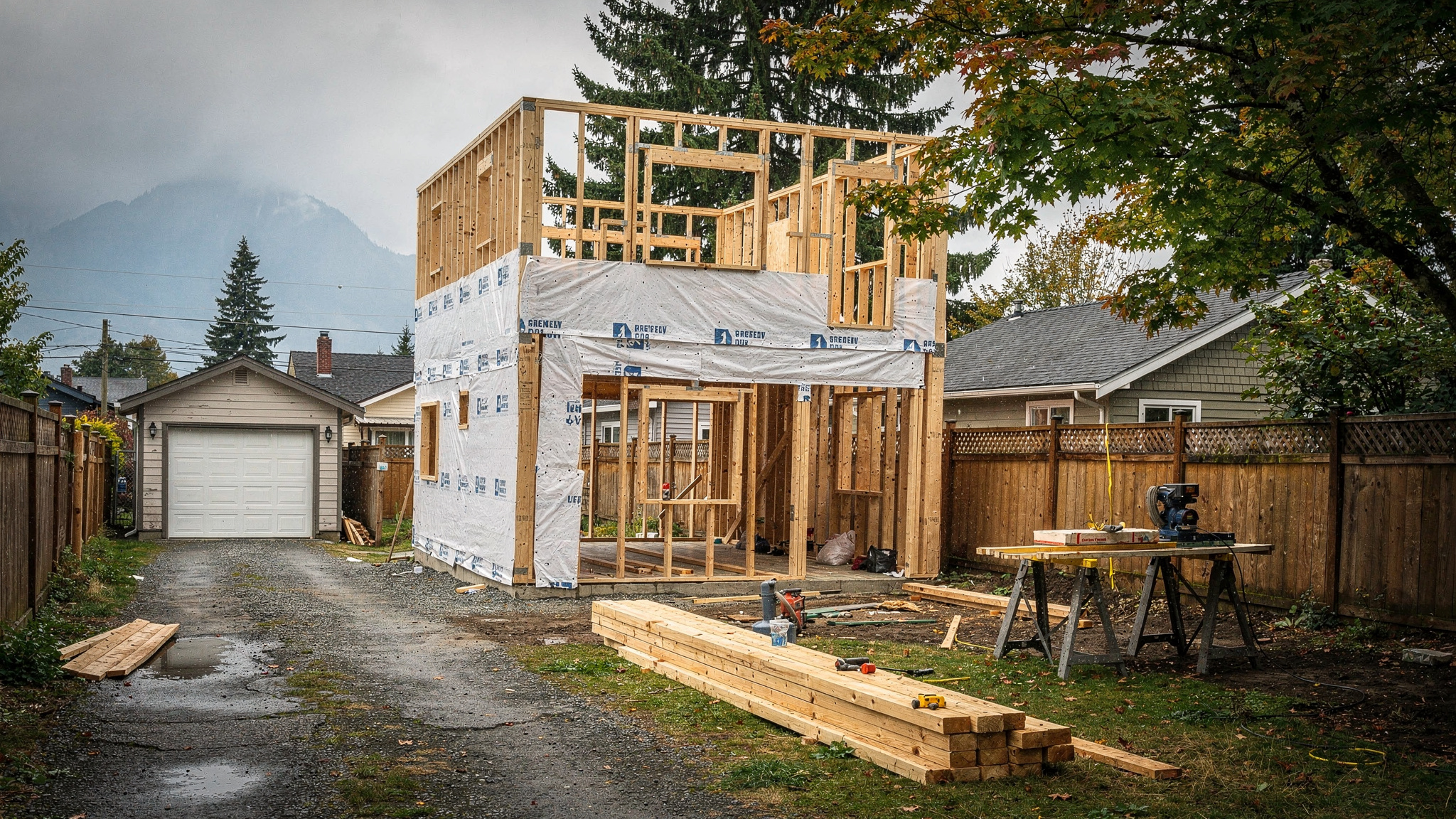
With renovation costs climbing across the board, many homeowners are reconsidering how they allocate their budget — and laneway homes and legal secondary suites are increasingly the smartest dollar-for-dollar investment available. Under current BC and municipal policy, most single-family lots in Vancouver, Burnaby, Surrey, and Richmond now permit a laneway home in addition to a basement or garden suite, meaning a single property can support three legal, income-generating units.
A well-built laneway home in the 600 to 900 square foot range typically costs $280,000 to $420,000 depending on finishes, and can generate $2,200 to $3,200 per month in rental income in most Metro Vancouver submarkets — a return that increasingly outpaces the ROI on a purely cosmetic renovation to the main house.
Protecting Your Budget: Practical Steps
- Get a detailed scope-of-work document before signing any contract — vague line items are where budgets quietly bleed.
- Lock in material allowances and pricing on major finishes (windows, appliances, stone) at contract signing, not mid-project.
- Ask your builder directly how seismic, drainage, and envelope requirements will affect your specific home — every lot and vintage is different.
- Build a contingency of 12 to 15% into any renovation budget, especially on homes built before 1990.
- Sequence your project to take advantage of current trade availability rather than waiting for "the perfect time" — right now favours homeowners.
Renovation costs are rising, but that doesn't mean smart, well-planned projects are out of reach — it means the margin for guesswork has gotten smaller. At LJH Construction, we build detailed, transparent budgets before a single wall comes down, so you know exactly where your money is going and where it's protected. Whether you're planning a full home renovation, a laneway home, or a legal suite conversion anywhere from West Vancouver to Langley, our team can walk you through realistic numbers for your specific property. Book a consultation with LJH Construction today, or visit our pricing page to see how we structure our project estimates.
Planning a project in Metro Vancouver?
Get a free, no-obligation quote from LJH Construction.