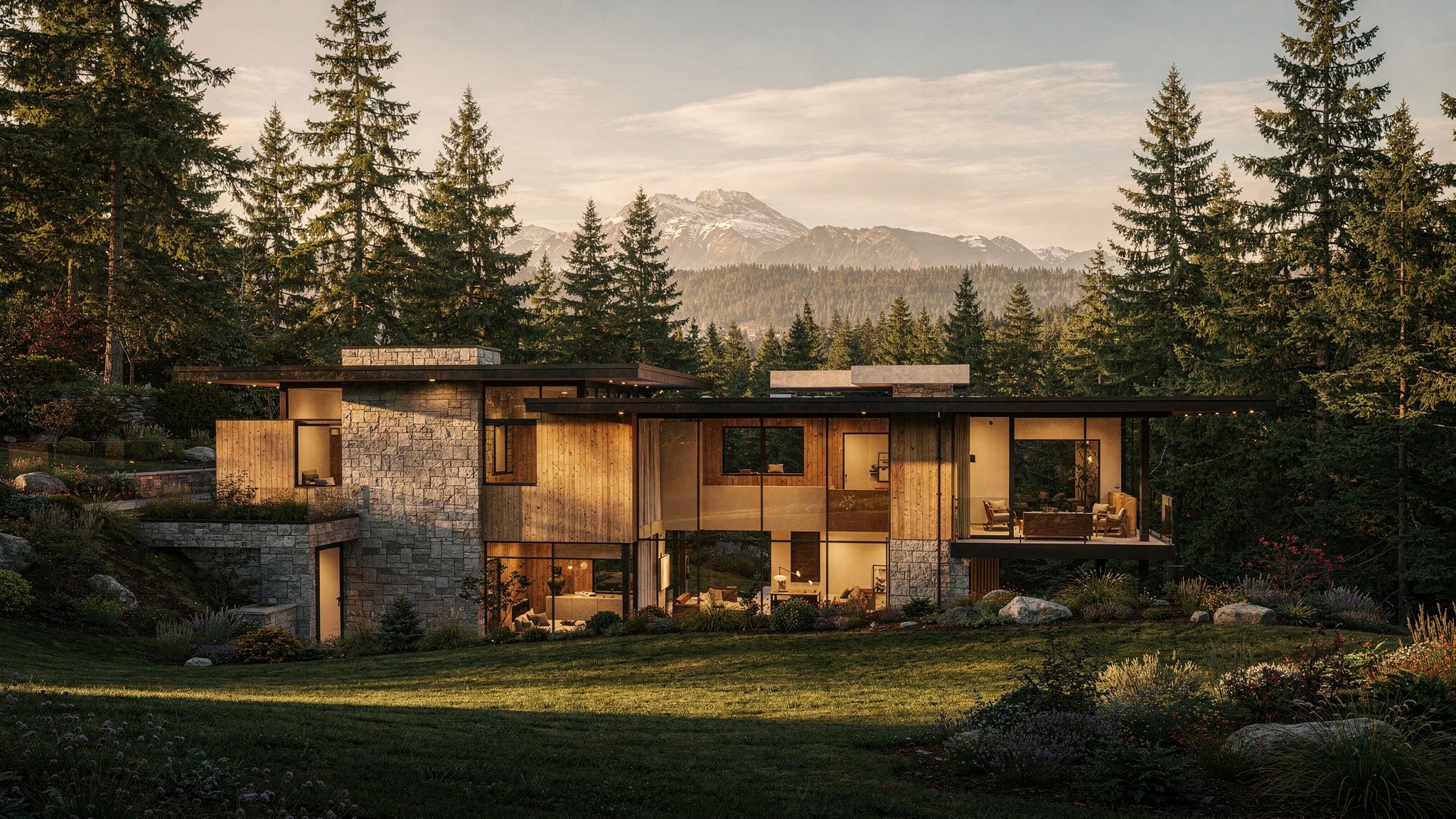
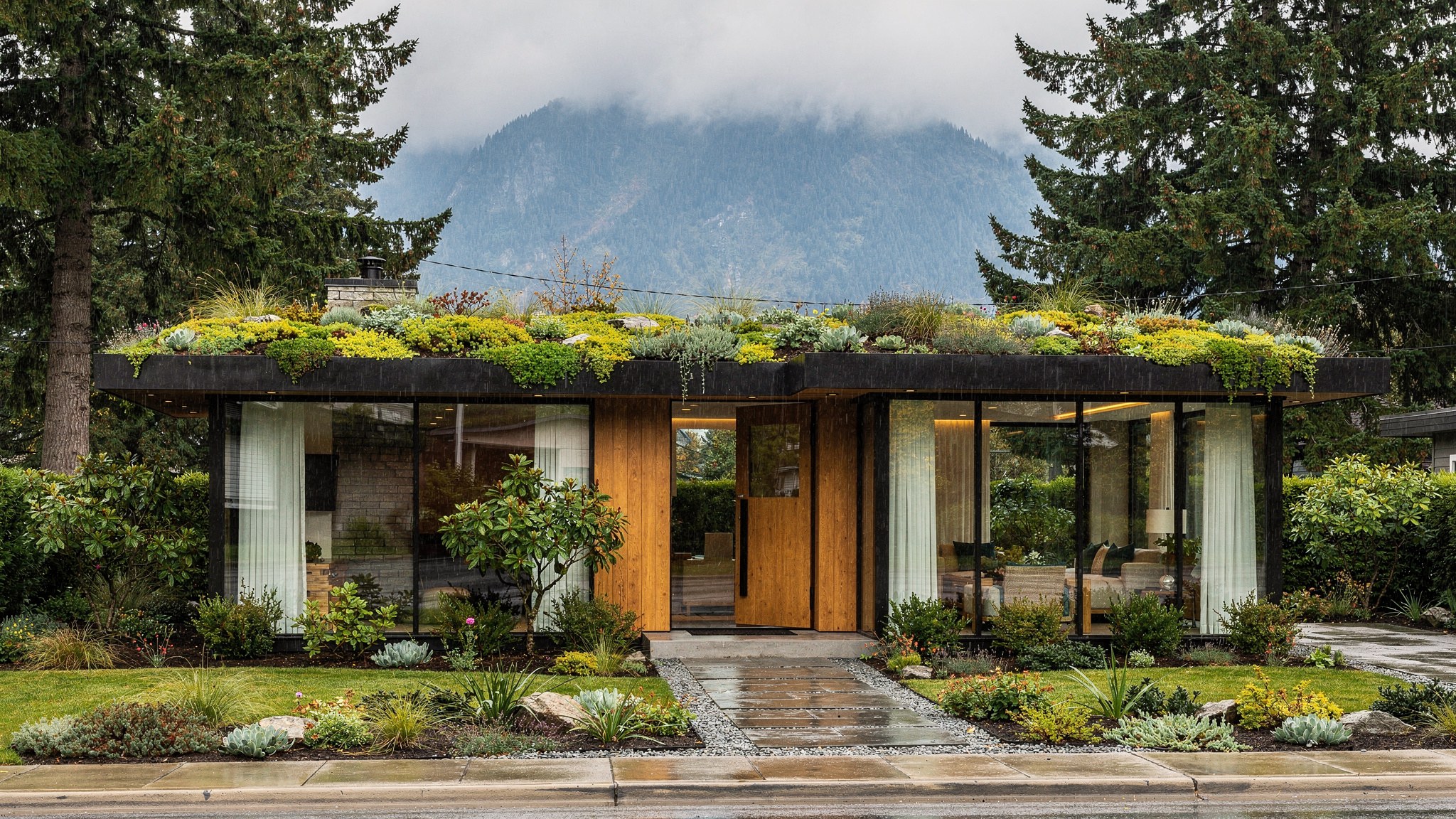
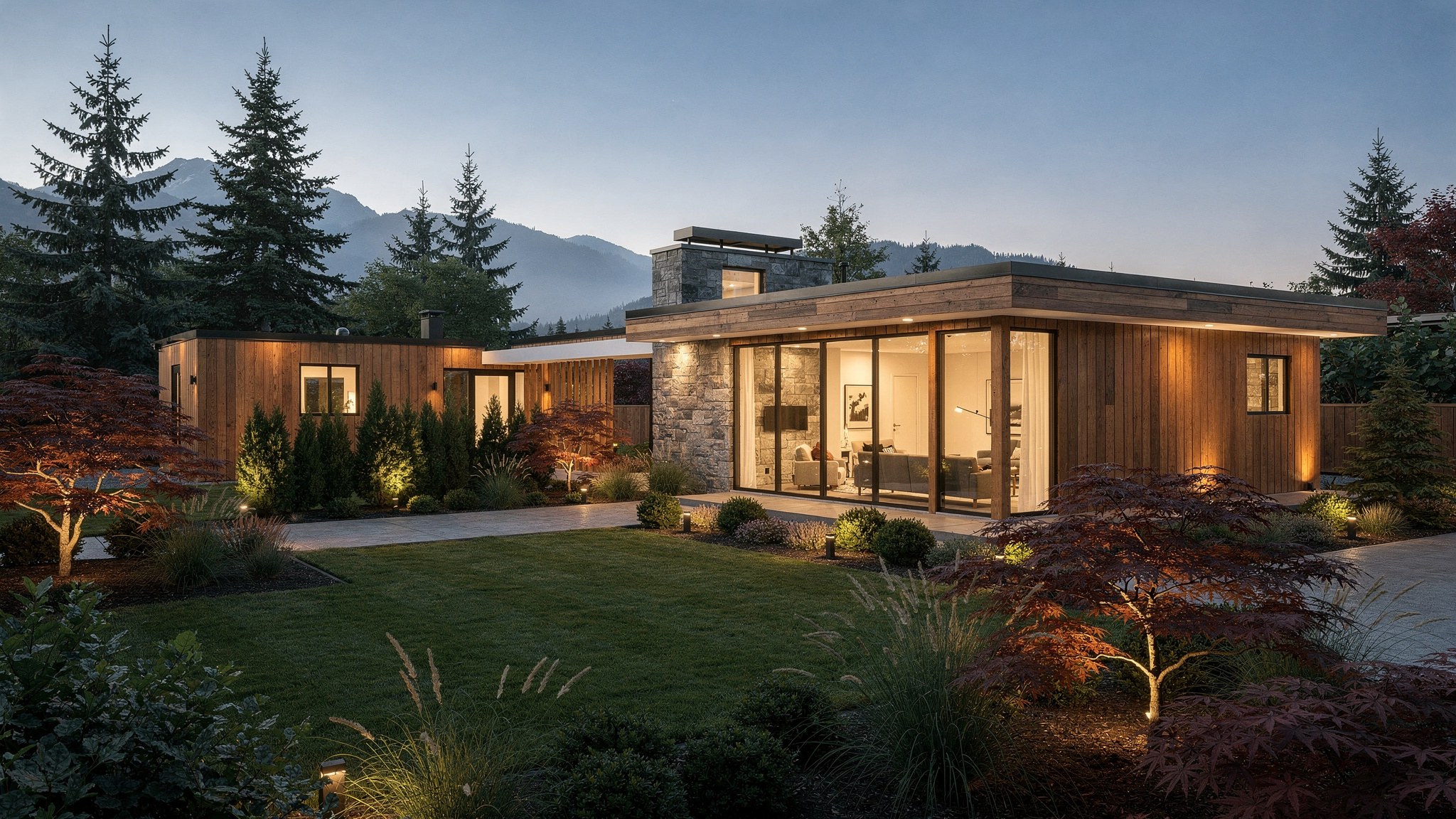
If you've followed construction news lately, you've likely noticed a theme: the industry is worried about people, not just materials. The Lowe's Foundation recently pledged to train a million new craft workers. Data center developers south of the border are reporting acute shortages of electricians and mechanical trades. It's not just a headline trend — it's something we're feeling directly on job sites across Metro Vancouver.
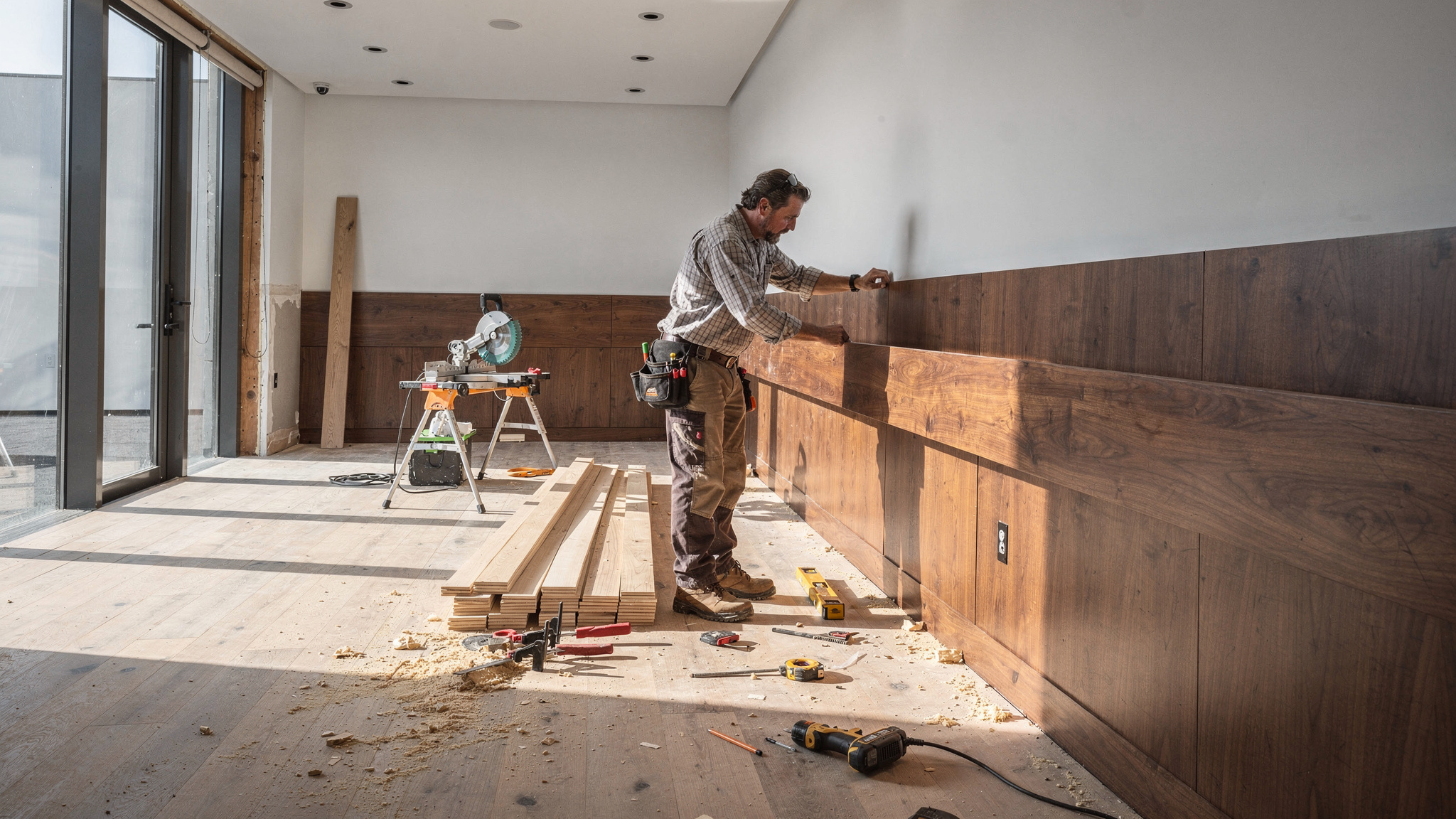
For homeowners planning a custom build, major renovation, or laneway suite, this isn't abstract industry chatter. It has real consequences for your timeline, your budget, and — most importantly — the quality of the finished home. The good news? With the right builder and the right planning, you can navigate this labour landscape without sacrificing craftsmanship or blowing your budget.
Why Skilled Trades Are Harder to Find Right Now
Metro Vancouver's construction sector has been booming for over a decade, but the pipeline of skilled tradespeople hasn't kept pace. Framers, finish carpenters, licensed electricians, and Red Seal plumbers are in short supply from Squamish to White Rock. Several factors are converging:
- A wave of experienced tradespeople approaching retirement, with fewer apprentices replacing them
- High demand from multi-family and infrastructure projects competing for the same crews as custom home builds
- Rising cost of living in Metro Vancouver pushing younger workers toward other regions or industries
- Increased complexity of modern builds — heat pumps, seismic retrofits, high-performance envelopes — requiring specialized certifications
This shortage doesn't affect every builder equally. Established firms with long-standing relationships and in-house crews are far better insulated than those who rely entirely on subcontractor bidding for every trade.
What It Means for Your Timeline and Budget
Homeowners planning a project in 2025 or 2026 should expect two realities: longer lead times for specialty trades, and modest upward pressure on labour costs. Electricians and HVAC installers, in particular, are booking out weeks or months in advance in Vancouver, Burnaby, and Coquitlam.
A realistic custom home build in Metro Vancouver — say, a 3,000 to 4,500 square foot home in West Vancouver or Surrey — typically runs 12 to 18 months from permit issuance to occupancy. In today's labour market, we're advising clients to budget an additional buffer of 4 to 8 weeks for scheduling flexibility, particularly around rough-in trades and finishing carpentry. This isn't a sign of poor planning — it's honest forecasting that prevents disappointment later.
On the budget side, labour now represents 35 to 45 percent of most custom build costs, up from historical norms closer to 30 percent. Builders who lock in trade relationships early and negotiate volume pricing across multiple projects are able to hold pricing more predictably than those bidding job-by-job.
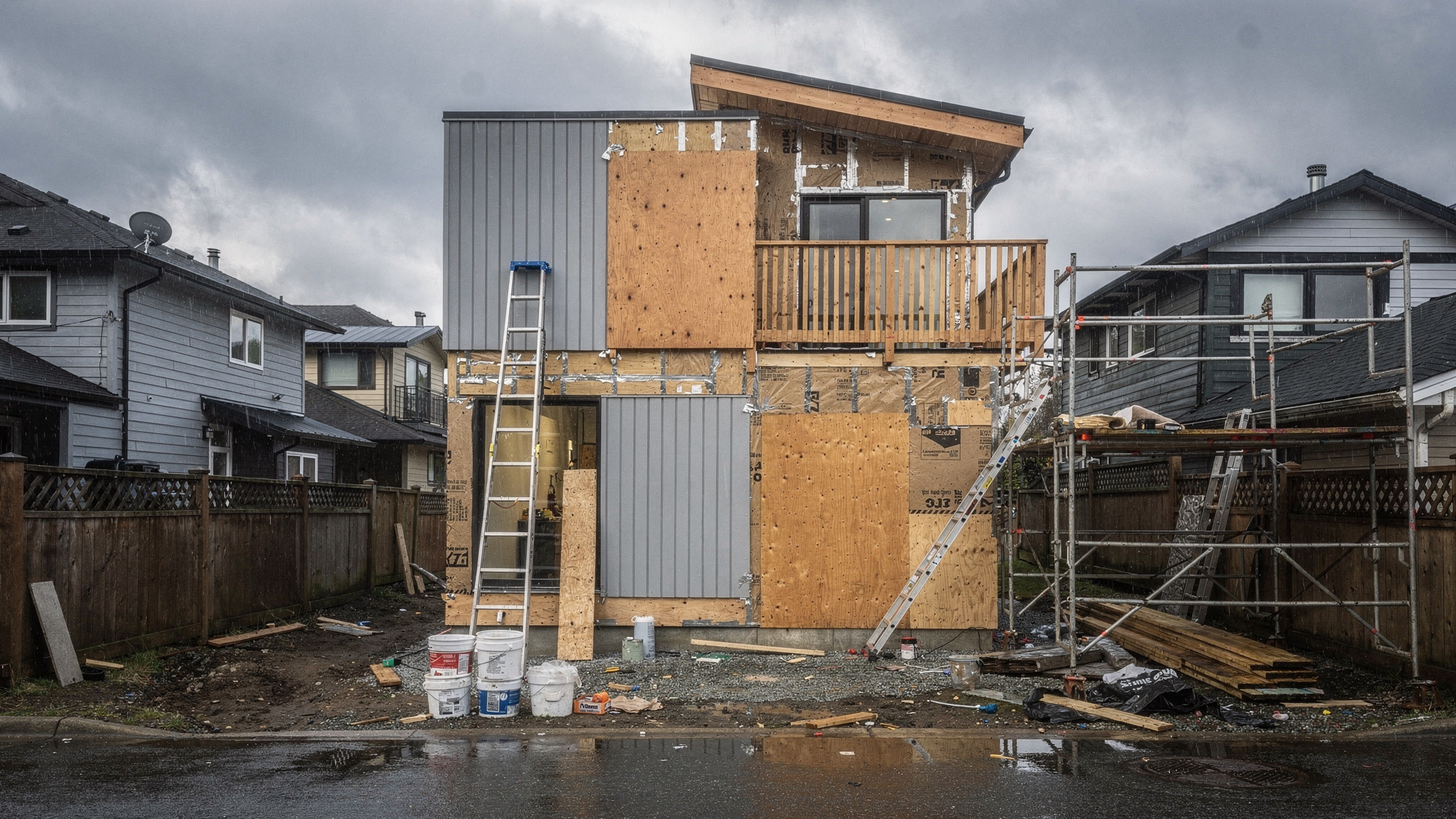
How LJH Protects Your Project From Labour Volatility
We've spent years building relationships with the best trades in the region — not just hiring whoever is available when a project starts. That difference matters more now than ever. Here's how we keep your project on schedule and on budget:
- Long-term crews and subcontractors who work exclusively or near-exclusively with LJH, reducing scheduling conflicts
- Early trade booking at the design stage, not after permits are issued
- In-house project management that sequences trades efficiently to minimize downtime between phases
- Transparent contracts that account for realistic labour timelines rather than optimistic best-case scenarios
- Strong relationships with municipal building departments in Vancouver, North Vancouver, Richmond, and Langley to keep inspections moving without unnecessary delay
Smart Design Choices That Ease Labour Pressure
One underappreciated way to manage labour risk is through design decisions made well before ground is broken. Certain construction methods and material choices simply require less on-site labour without compromising the luxury feel homeowners want.
Prefabricated wall panels, factory-finished millwork, and engineered structural components are increasingly popular for exactly this reason — they shift skilled work from the job site to controlled factory environments, reducing dependency on scarce on-site trades while maintaining precision. This is especially relevant for laneway homes and legal suites, where compact footprints are well suited to panelized or modular framing systems that go up quickly once foundations are ready.
We're also seeing strong demand for standardized, high-quality detailing — durable engineered hardwood instead of exotic hand-laid inlays, factory-primed trim instead of extensive on-site finishing — that still reads as premium but requires fewer specialized labour hours to install correctly.
Planning Ahead: Permits, Seasons, and Realistic 2025–2026 Budgets
Timing your project around Metro Vancouver's wet season and municipal permit cycles is always important, but it's even more critical when trade availability is tight. Framing and roofing crews are in highest demand in the dry months between April and September, so projects that break ground in late winter often secure better scheduling and pricing.
Permit timelines also vary meaningfully by municipality. Vancouver and Burnaby have made strides in digitizing permit review, often issuing single-family permits in 8 to 14 weeks for straightforward projects, while some municipalities in the Fraser Valley can take longer for custom homes with variances or geotechnical requirements. Coastal BC's seismic zone requirements and wet-climate building code provisions — proper rainscreen assemblies, engineered lateral bracing, and moisture management at building envelopes — are non-negotiable, and skilled installation of these systems is exactly where labour shortages bite hardest. This is not the place to cut corners with inexperienced crews.
We recommend clients start the design and permitting process 3 to 4 months before they hope to break ground, giving both the municipality and our trade schedule enough runway to align.
Building With Confidence in a Tight Labour Market
The construction industry's labour challenges aren't disappearing soon, but they don't have to derail your dream home. What they do require is a builder with established crews, honest scheduling, and design flexibility to work smarter, not just faster.
At LJH Construction, we've built our reputation across West Vancouver, Burnaby, Richmond, Coquitlam, and every community in between by planning for reality — not best-case fantasy. If you're considering a custom home, major renovation, or laneway suite in the next year, let's talk through what today's labour and material landscape means specifically for your project. Contact us to book a consultation, or explore our pricing guide to start planning your budget with confidence.
Planning a project in Metro Vancouver?
Get a free, no-obligation quote from LJH Construction.