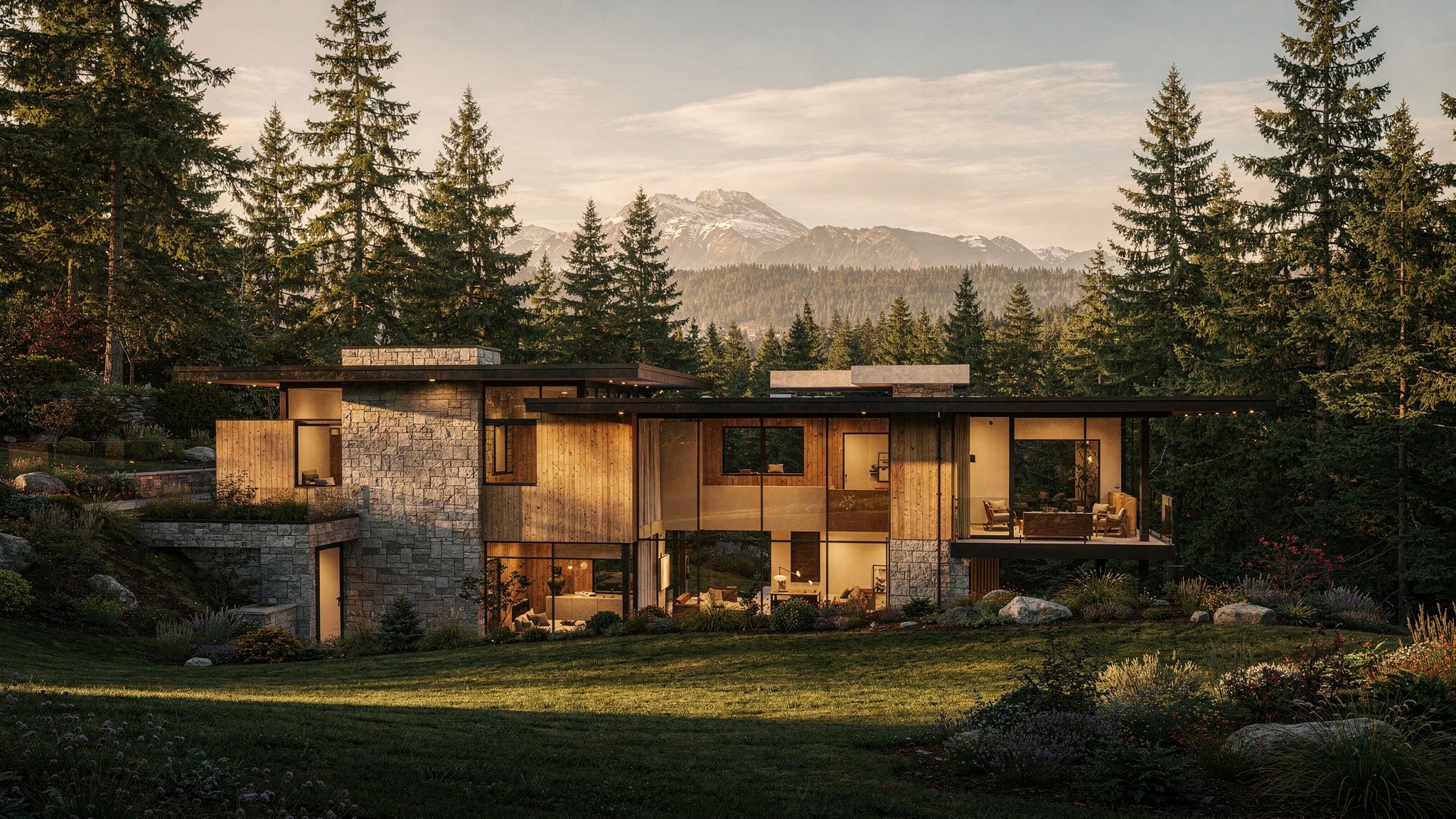
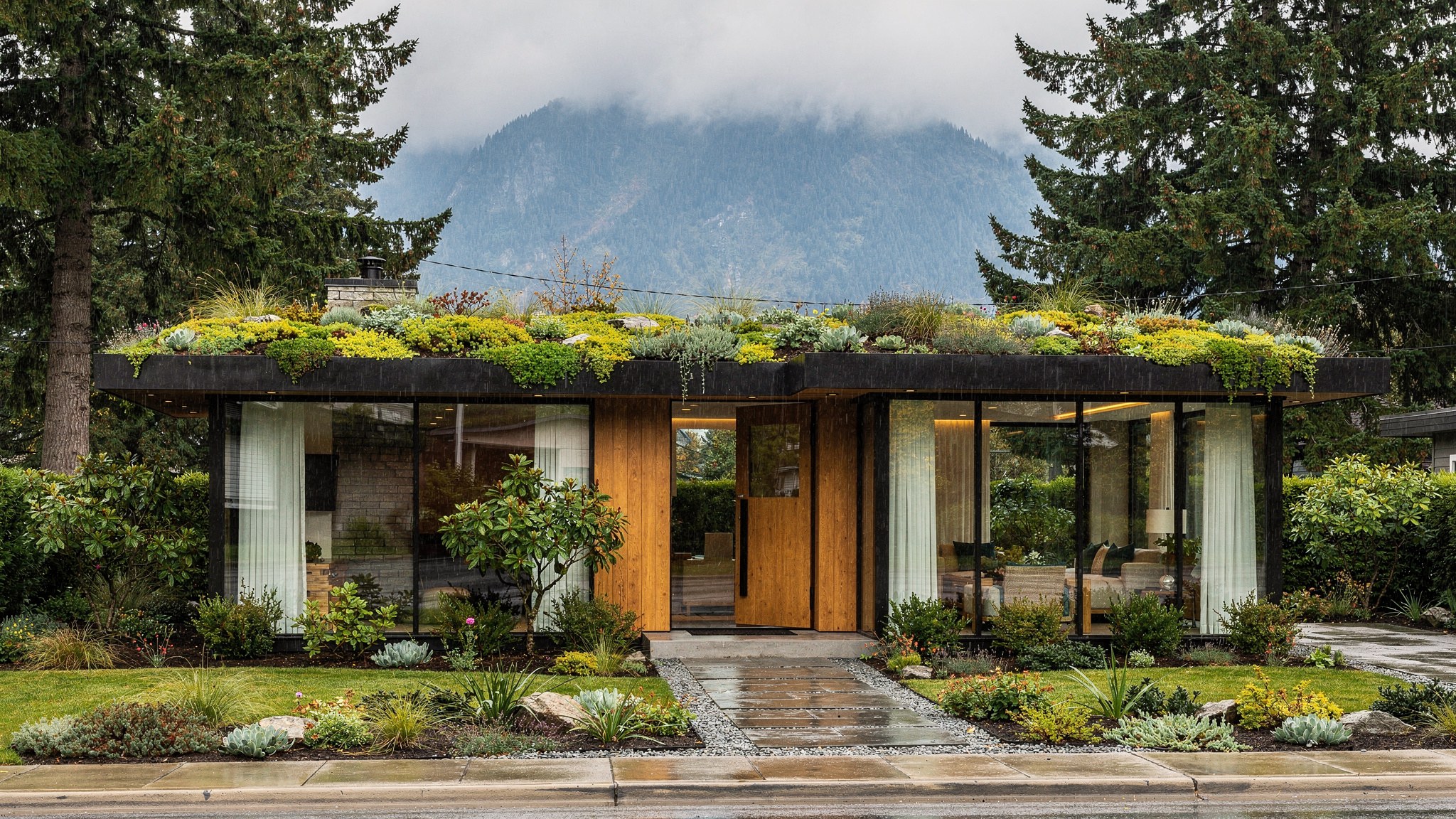
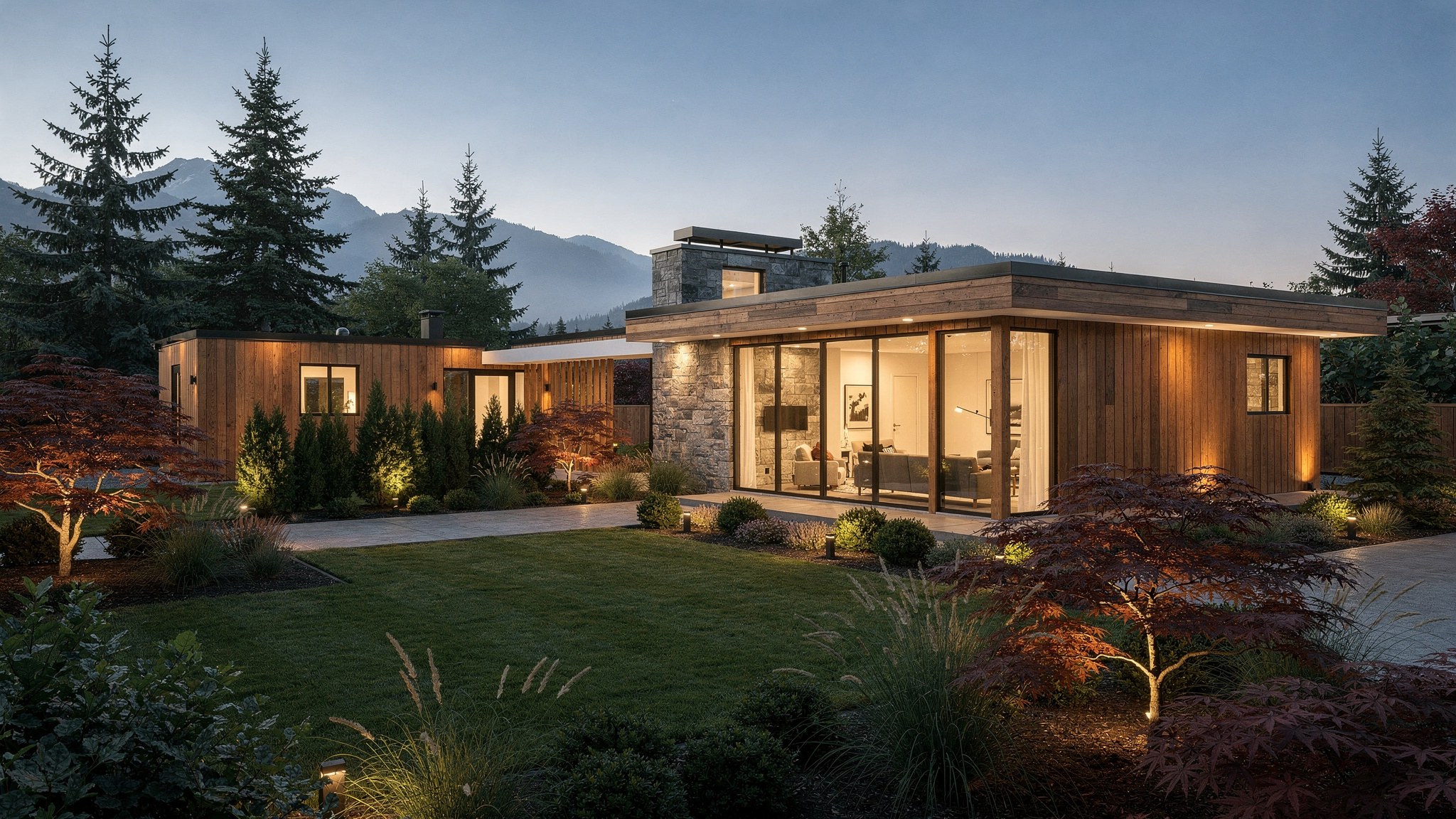
If you've been pricing out a custom home, major renovation, or laneway suite in Metro Vancouver lately, you've probably noticed something unsettling: the numbers keep moving. That's not your imagination, and it's not just post-pandemic inflation catching up. Escalating US tariffs on Canadian goods — and retaliatory measures on materials that flow both directions across the border — are starting to work their way into quotes for steel, aluminum, appliances, and specialty finishes.
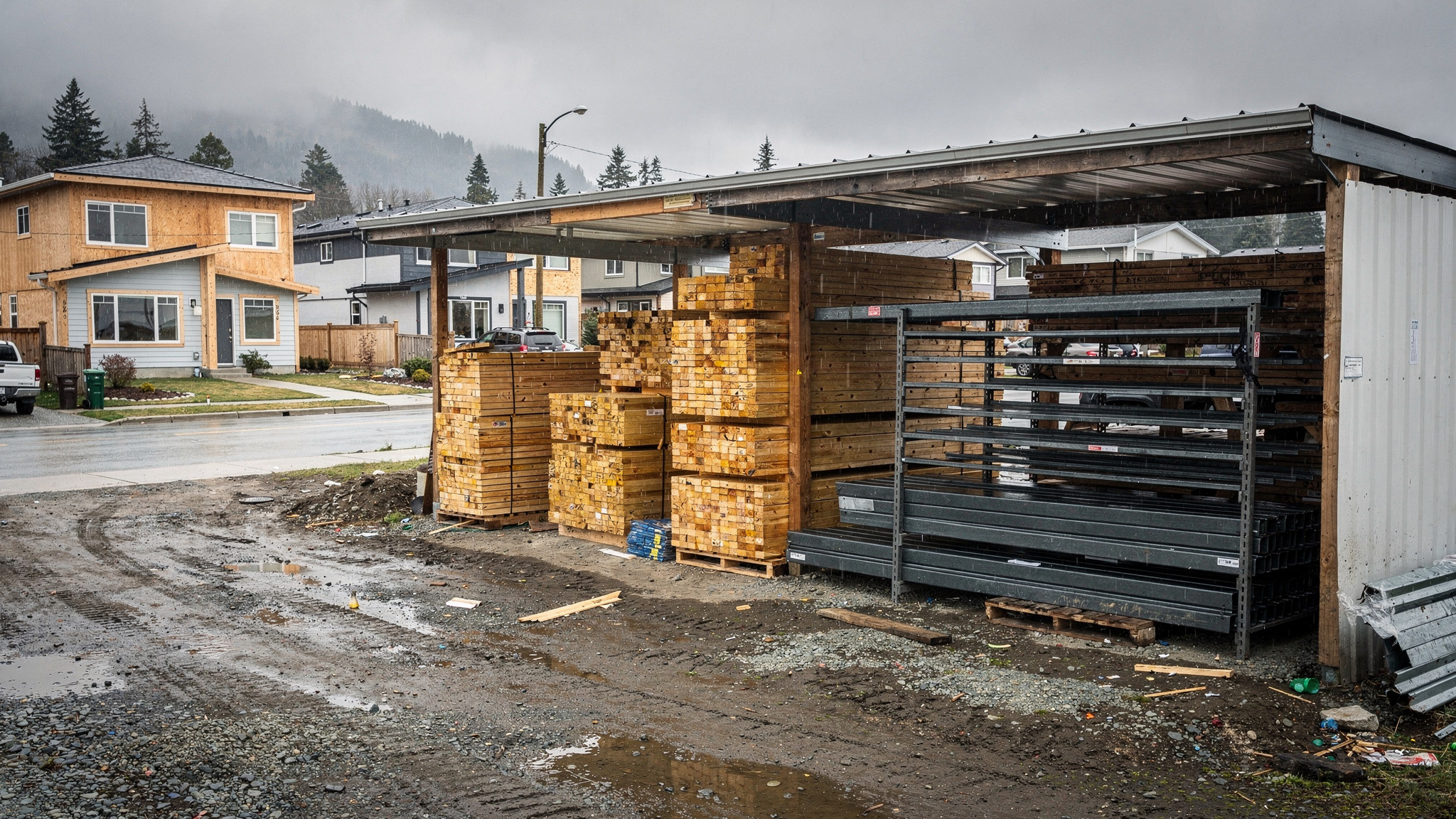
For homeowners planning a build in Vancouver, West Vancouver, North Vancouver, Burnaby, Richmond, Surrey, Delta, Coquitlam, Port Coquitlam, New Westminster, White Rock, or Langley, this isn't a reason to panic — but it is a reason to get strategic. The builders who navigate this well are the ones who understand exactly where the exposure is, and who lock in pricing before it moves again.
The Tariff Ripple Effect: What's Actually Changing
Construction supply chains are more cross-border than most people realize. Even materials that are technically "Canadian" often involve components, raw ore, or finishing processes that pass through the US at some point. When tariffs go up on steel, aluminum, or manufactured goods, the cost doesn't stay contained to those categories — it spreads into anything that depends on them.
We're already seeing softening in a few areas that matter directly to custom-home clients:
- Structural steel and rebar — used in foundations, retaining walls, and the steel moment frames common in West Coast contemporary designs
- Aluminum window and door systems — a staple in high-performance, view-oriented homes across the North Shore and Point Grey
- Major appliances and HVAC equipment — many premium brands manufacture or assemble in the US
- Specialty fasteners, flashing, and metal roofing components — critical for our wet coastal detailing
None of this means construction is grinding to a halt. It means the margin for sloppy budgeting has gotten smaller.
Which Projects Feel It Most
Not every renovation is equally exposed. A kitchen refresh with mostly labour and cabinetry costs will feel far less impact than a full custom build with a steel-and-glass envelope, a heat pump system, and an all-appliance package from a premium US-based brand.
Laneway homes and legal suites — hugely popular right now across Vancouver, Burnaby, and New Westminster as homeowners chase rental income and multigenerational flexibility — sit somewhere in between. They're smaller in scope, but they're appliance- and mechanical-system-heavy relative to their square footage, which means tariff-sensitive line items make up a bigger share of the total budget than you'd expect.

Smart Strategies to Protect Your Build Budget
The homeowners weathering this best aren't the ones waiting for prices to settle — they're the ones locking in decisions early and working with a builder who can source intelligently. A few practical moves we're recommending to clients right now:
- Finalize material selections before permits are submitted. Pricing volatility punishes indecision. The longer a spec stays open, the more exposure you carry.
- Ask about supplier contracts, not just quotes. A builder with pre-negotiated pricing agreements with BC-based mills, fabricators, and distributors can often hold a price for 60-90 days — a real advantage in this climate.
- Consider Canadian-manufactured appliance and window alternatives. Several excellent BC and Ontario manufacturers produce products that rival imported brands in performance, without the cross-border exposure.
- Order long-lead items early. Custom windows, elevators, and specialty steel packages should be ordered the moment design is locked — not when the crew is ready to install them.
- Build a realistic contingency — 8-12% rather than 5%. In a normal market, 5% covers surprises. In this one, it doesn't.
Why BC-Sourced Materials Make More Sense Than Ever
There's a longstanding argument for building with local materials on the coast — better suited to our climate, shorter supply chains, and support for the regional economy. Right now, that argument has real teeth. BC dimensional lumber, engineered wood products, and locally fabricated steel and metal roofing are increasingly the more stable — and often more cost-effective — choice.
This matters structurally too. Our wet climate and moderate seismic activity call for detailing that BC-based suppliers understand intimately: rainscreen assemblies that manage our 1,200+ mm of annual rainfall, seismic bracing calibrated to our soil and geography, and treated framing that resists the moisture cycles our coastal air produces year-round. A supplier three time zones and a tariff line away doesn't always build those nuances into their standard product.
Timing Your Project: Permits, Pricing, and Realistic Timelines
Permit timelines across Metro Vancouver already vary widely — a laneway home in Vancouver might move through the process in 3-4 months, while a full custom build in West Vancouver or a coastal lot in Delta with geotechnical or environmental review can take 8-12 months before a shovel goes in the ground. That waiting period is exactly when material pricing decisions should be locked, not left open.
Our advice: use the permit window productively. While the municipality reviews your application, your builder should be finalizing supplier agreements, ordering long-lead materials, and pricing contingencies against current tariff conditions — not the conditions from six months ago when the project was first scoped.
Building With Confidence in an Uncertain Market
Tariff headlines can make anyone nervous about breaking ground. But uncertainty in the broader trade environment doesn't have to translate into uncertainty in your own project. What it requires is a builder who tracks these shifts closely, sources with a BC-first mindset where it makes sense, and locks in pricing before volatility eats into your budget.
At LJH Construction, we've spent years building relationships with local mills, fabricators, and suppliers across Metro Vancouver specifically so our clients aren't caught flat-footed by exactly this kind of disruption. If you're planning a custom home, major renovation, or laneway suite and want a clear, current picture of what it will actually cost to build in today's market, contact us for a consultation — we'll walk you through a realistic budget, a sensible timeline, and a materials strategy built for the coast we actually live on.
Planning a project in Metro Vancouver?
Get a free, no-obligation quote from LJH Construction.